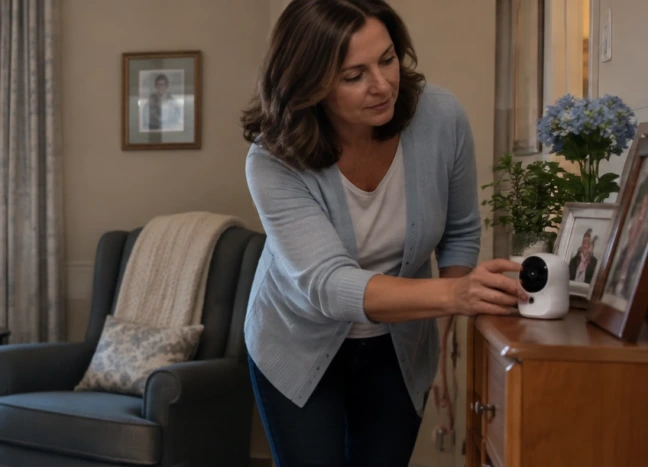


Medication can be an important part of nursing home care. Residents may need treatment for anxiety, depression, psychosis, sleep disorders, severe agitation, or other diagnosed medical conditions. Problems arise when a drug is used primarily to quiet a resident, limit movement, reduce requests for assistance, or make the person easier for an understaffed facility to manage. In that situation, the medication may function as a chemical restraint rather than legitimate treatment.
Chemical restraints in nursing homes can be difficult for families to recognize. There may be no visible device, and the medication may have been prescribed by a medical professional. The key questions are why the drug was ordered, whether the resident's condition justified it, whether informed consent was obtained, and whether the facility continued to monitor the resident and consider safer alternatives.

What Is a Chemical Restraint in a Nursing Home?
A chemical restraint is generally a medication used to control a resident's behavior or restrict the resident's freedom of movement for discipline or staff convenience rather than to treat a medical symptom. Unlike a physical restraint, it does not involve belts, rails, trays, or other devices. Its effect may appear as heavy sedation, reduced alertness, slowed movement, or an unusual inability to communicate.
The purpose of the medication matters. A drug that causes drowsiness is not automatically a chemical restraint. The same medication may be appropriate for one resident and improper for another, depending on the diagnosis, symptoms, dosage, monitoring, consent, and clinical reason for using it.
Legitimate Treatment Is Different From Staff Convenience
Nursing home residents sometimes experience distressing psychiatric or behavioral symptoms that require careful medical treatment. A properly evaluated medication plan may be appropriate when a drug is prescribed for a documented condition, used at a clinically justified dose, discussed with the resident or authorized representative, and regularly reviewed for effectiveness and side effects.
Improper use may occur when medication replaces attentive care. For example, a resident who repeatedly calls for help, tries to leave a room, resists bathing, becomes frightened during personal care, or wanders because of dementia may require additional supervision, a different routine, pain assessment, environmental changes, or staff trained in dementia care. Sedating the resident merely because those needs take time to address can place convenience ahead of the resident's well-being.
Why Chemical Restraints May Be Used Improperly
Medication misuse can occur in facilities with poor supervision, inadequate training, weak medical oversight, or chronic staffing shortages. A heavily sedated resident may ask for less assistance and be less likely to wander, protest, or interfere with a rushed routine. That does not make the practice acceptable.
Common facility pressures that may contribute to improper medication use include:
- Too few caregivers to supervise residents with dementia or mobility problems.
- Staff who have not been trained to respond to confusion, fear, agitation, or resistance to care.
- Failure to investigate pain, infection, dehydration, medication interactions, or environmental triggers.
- Reliance on as-needed medication instead of individualized behavioral interventions.
- Poor communication among nurses, physicians, pharmacists, residents, and family members.
- A facility culture that treats normal expressions of distress as behavior that must be suppressed.
Medications That May Be Used as Chemical Restraints
Antipsychotic medications are often discussed in connection with chemical restraints, particularly when they are given to residents with dementia without a clearly documented and medically appropriate reason. Other psychoactive medications, including certain anti-anxiety drugs, sedatives, and sleep medications, may also be involved.
These drugs are not inherently abusive. Many have legitimate uses. The concern is whether the medication was selected and administered to treat the resident's actual condition or to make care easier for the facility. Families should avoid assuming that every unfamiliar drug is improper, but they should expect clear answers about why it was ordered and how its effects are being monitored.

Warning Signs of Possible Overmedication
A sudden change in alertness or function deserves attention, especially when it follows a medication change. Families often know how their loved one normally speaks, moves, eats, and interacts. Changes that appear dramatic or unexplained should not be dismissed as ordinary aging.
- Unusual sleepiness, difficulty waking, or sleeping through meals and visits.
- Slurred speech, slowed responses, blank expression, or reduced communication.
- New confusion, disorientation, weakness, or loss of balance.
- Falls or near-falls after a new drug or dosage increase.
- Sudden loss of interest in activities, family visits, or surroundings.
- Reduced eating or drinking without a clear medical explanation.
- A medication change made after staff complained that the resident was difficult, disruptive, wandering, or demanding.
- Frequent use of as-needed medication with little explanation of the symptoms being treated.
- Family members or the resident's representative not being informed about a significant psychotropic medication order.
Some of these signs can also result from illness, infection, stroke, dehydration, or an appropriately prescribed medication. Prompt medical evaluation is important because the cause cannot be determined from appearance alone.
Federal Protections Against Chemical Restraints
Federal nursing home regulations protect residents from physical or chemical restraints imposed for discipline or convenience when they are not required to treat medical symptoms. Federal rules also require facilities to ensure that psychotropic medications are supported by a diagnosed and documented condition and to use gradual dose reductions and behavioral interventions when appropriate.
Orders for as-needed psychotropic medications are generally limited to 14 days unless specific regulatory requirements are met. As-needed antipsychotic orders have additional renewal requirements, including an evaluation by the attending physician or prescribing practitioner. These safeguards are intended to prevent medications from continuing indefinitely without meaningful review.
California Informed Consent Requirements
California provides additional protections involving psychotherapeutic drugs in skilled nursing facilities. Written informed consent generally must be obtained before such medication is administered, and the facility must document and verify that consent. Current California requirements also call for consent to be renewed every six months while the resident continues receiving the psychotherapeutic drug.
Informed consent should involve more than obtaining a signature. The resident or authorized representative should receive information needed to make a meaningful decision, including the reason for the medication, expected benefits, material risks, available alternatives, and the right to refuse or later revoke consent. The exact requirements can depend on the medication, the resident's capacity, the prescribing circumstances, and other facts.
Chemical Restraints and Medication Errors Are Not the Same
A medication error may involve the wrong drug, wrong dose, wrong resident, wrong time, missed dose, or failure to follow an order. A chemical restraint claim focuses more directly on why a medication was used and whether it was medically necessary. The two issues can overlap. A resident may be intentionally overmedicated for convenience and also receive doses that are inconsistent with the physician's order.
Understanding the distinction helps families ask better questions. It is not enough to confirm that a drug appeared on a medication list. The facility should be able to explain the diagnosis, target symptoms, treatment goals, dosage changes, side effects, monitoring, and efforts to reduce or discontinue the medication when appropriate.
Questions Families Can Ask the Nursing Home
Families do not need medical training to request clear information. Questions should be directed to the nurse, attending physician, prescribing practitioner, director of nursing, or care-plan team as appropriate.
- What medication was started, stopped, or increased?
- What diagnosed condition or specific symptom is it intended to treat?
- Who prescribed it, and when was the resident last personally evaluated?
- Was the resident or authorized representative asked for informed consent?
- What side effects should the family watch for?
- What non-drug interventions were attempted before or along with the medication?
- How often is the medication being used on an as-needed basis?
- Has the pharmacist identified concerns, interactions, or an opportunity to reduce the dose?
- When will the treatment plan be reviewed again?
Records That May Reveal a Pattern
When concerns continue, records can show whether a medication was carefully managed or used as a substitute for appropriate care. Important documents may include physician orders, medication administration records, pharmacy reviews, nurses' notes, behavior-monitoring logs, care plans, consent forms, fall reports, hospital records, and documentation of dosage reductions or attempted alternatives.
Families should keep their own dated notes about changes in alertness, falls, statements made by staff, missed activities, and conversations about medication. Photographs or videos may help document a resident's condition, provided they are taken lawfully and respectfully. Do not modify medical records or remove original facility documents without authorization.
What to Do if You Suspect a Chemical Restraint
If a resident is difficult to wake, has trouble breathing, falls, suddenly cannot speak normally, or appears to be experiencing a medical emergency, seek immediate medical assistance. For non-emergency concerns, ask for a prompt medication review and a clear explanation from the prescribing provider.
Do not abruptly stop a prescribed medication without medical direction. Some drugs can cause serious problems if discontinued suddenly. Instead, document the concern, request the current medication list and relevant records, participate in the care-plan process, and consider reporting unresolved safety concerns to the Long-Term Care Ombudsman or the California Department of Public Health.
When Improper Medication Use Causes Harm
Excessive or unnecessary sedation may contribute to falls, reduced food and fluid intake, loss of mobility, pressure injuries, worsening confusion, and diminished ability to communicate with family. It can also deprive a resident of meaningful interaction and independence. Whether a facility is legally responsible depends on the medical facts, the purpose of the medication, informed consent, monitoring, documentation, and the harm that followed.
How Newman Law Group Can Help
Newman Law Group represents families concerned about nursing home abuse, neglect, medication misuse, and other failures of care. The firm can review available records, investigate the circumstances surrounding a resident's medication changes, and explain whether the facts may support legal action.
If an elderly loved one became unusually sedated, suffered falls, or experienced another serious decline after unexplained medication changes, prompt review may help preserve records and clarify what occurred.
Speak With a Sacramento Nursing Home Abuse Attorney
Families deserve honest explanations when medication appears to have replaced proper care. Contact Newman Law Group to discuss concerns about possible chemical restraints, overmedication, or nursing home neglect and learn what options may be available.
This article is general information and is not legal or medical advice. Every situation is different. Medication decisions should be discussed with a qualified medical professional, and speaking with an attorney can help you understand the legal options available for a specific case.