
A fall in a nursing home can change an older person's life in a matter of seconds. A resident who was walking with assistance may suffer a hip fracture, head injury, fear of movement, or a sudden loss of independence. Families are often told that falls are simply part of aging. Age and frailty do increase risk, but that does not answer the more important question: did the facility recognize the danger and provide the care the resident needed?
Not every nursing home fall is caused by neglect, and even careful facilities cannot prevent every accident. A fall may become legally significant, however, when staff ignored known risks, failed to follow the care plan, did not provide required assistance, left a hazard in place, or failed to change ineffective precautions after an earlier incident.
Why Nursing Home Falls Require Individual Attention
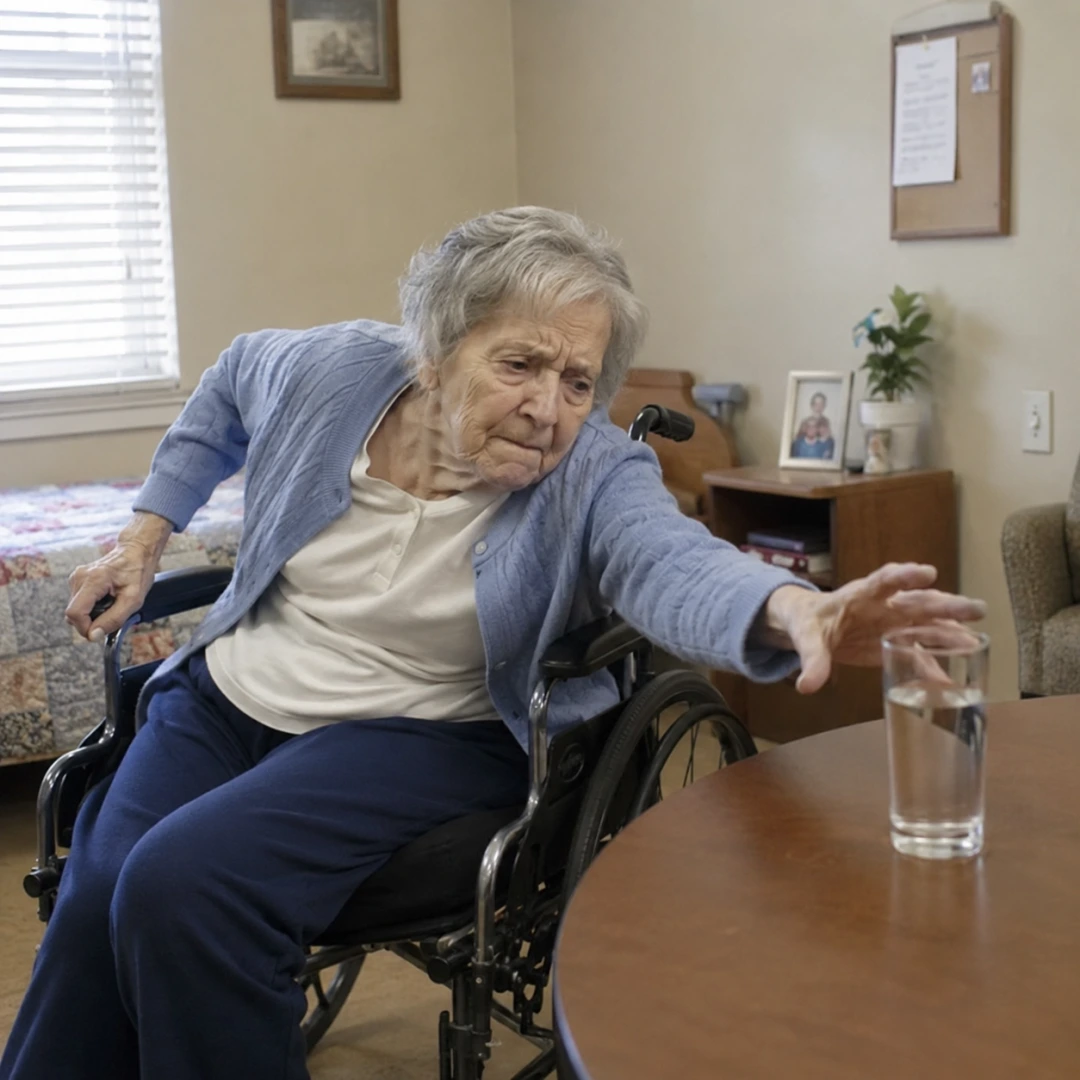
Residents enter nursing homes with very different abilities. One person may walk independently but become dizzy after a medication change. Another may need two caregivers and a mechanical lift for transfers. A resident with dementia may forget to use the call light, while someone recovering from surgery may overestimate what can be done safely.
Because the risks are individual, fall prevention cannot be reduced to a generic sign on the wall or the same checklist for every resident. Staff should understand how the resident moves, when assistance is needed, what equipment is appropriate, and which changes in condition may increase danger.
Is Every Nursing Home Fall Negligence?
No. Federal guidance recognizes that not all accidents are avoidable. The proper question is usually whether the nursing home took reasonable, resident-specific steps to identify and reduce foreseeable risks. A facility is not expected to guarantee that a resident will never fall. It is expected to assess the resident, maintain the environment as free from controllable hazards as possible, provide adequate supervision, use appropriate assistive devices, and monitor whether the interventions are working.
A fall may be unavoidable even when staff respond appropriately. For example, a resident may experience a sudden medical event that could not reasonably have been anticipated. By contrast, a fall may be preventable when the same resident had repeatedly tried to stand without help, the care plan required assistance, and staff left the resident unattended without providing a practical way to obtain help.
Federal Safety and Care-Planning Requirements
Federal nursing home regulations require care to be based on a comprehensive assessment and a person-centered care plan. They also require facilities to keep the resident environment as free from accident hazards as possible and to provide adequate supervision and assistive devices to prevent avoidable accidents.
Federal survey guidance explains that adequate supervision depends on the resident's assessed needs, the number and competency of staff, the frequency of supervision required, and hazards in the environment. The appropriate level can differ from one resident to another and may change as the resident's condition changes.
A baseline care plan generally must be developed within 48 hours after admission. It should address immediate safety concerns, including fall risk, supervision, and assistance with daily activities. The facility must then develop and implement a comprehensive care plan based on the resident's assessment and revise the plan when needs or risks change.
Common Factors That Increase Fall Risk
A sound fall-prevention approach looks beyond age alone. Relevant factors may include:
- A history of prior falls or near-falls.
- Weakness, poor balance, limited mobility, or recent surgery.
- Dementia, confusion, impulsivity, or difficulty following instructions.
- Dizziness, low blood pressure, dehydration, infection, or sudden illness.
- Medications that may affect alertness, balance, blood pressure, or coordination.
- Urgent or frequent toileting needs.
- Poor vision, inappropriate footwear, or an improperly fitted mobility device.
- Clutter, wet floors, inadequate lighting, uneven surfaces, or inaccessible call lights.
- Transfers that require one or more caregivers or specialized equipment.
These factors do not prove that a fall was preventable. They help determine what the facility knew or should have known and what precautions were reasonable for that resident.
Examples of Potentially Preventable Nursing Home Falls
Many fall cases focus less on the moment of impact than on what happened beforehand. Warning signs of possible neglect may include:
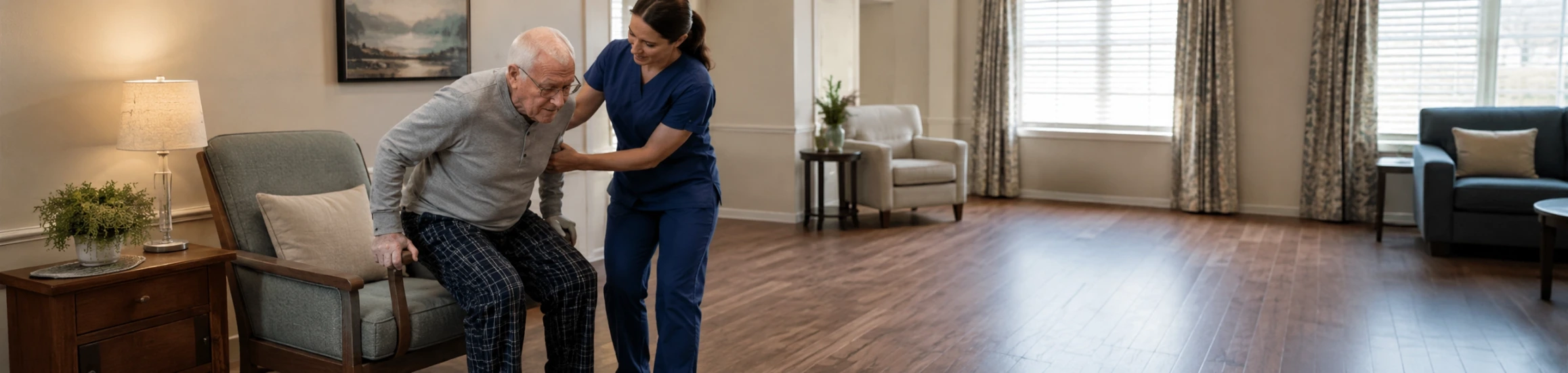
- Staff did not provide the level of transfer or walking assistance listed in the care plan.
- A resident who needed help with toileting was left waiting and tried to reach the bathroom alone.
- The call light, walker, wheelchair, or other needed item was placed out of reach.
- A wheelchair was not positioned or secured appropriately during a transfer.
- A mechanical lift was required but unavailable, used incorrectly, or operated by inadequately trained staff.
- Staff failed to respond to repeated attempts to stand or ignored a known pattern of unsafe movement.
- A medication change caused new dizziness or sedation, but the fall-risk plan was not reviewed.
- Wet flooring, clutter, poor lighting, or damaged equipment created a controllable hazard.
- The resident fell more than once, yet the facility continued the same ineffective interventions.
One missed precaution does not automatically establish legal responsibility. The complete medical record, staffing circumstances, witness accounts, prior incidents, and the resident's condition all matter.
Fall Prevention Should Preserve Dignity and Mobility
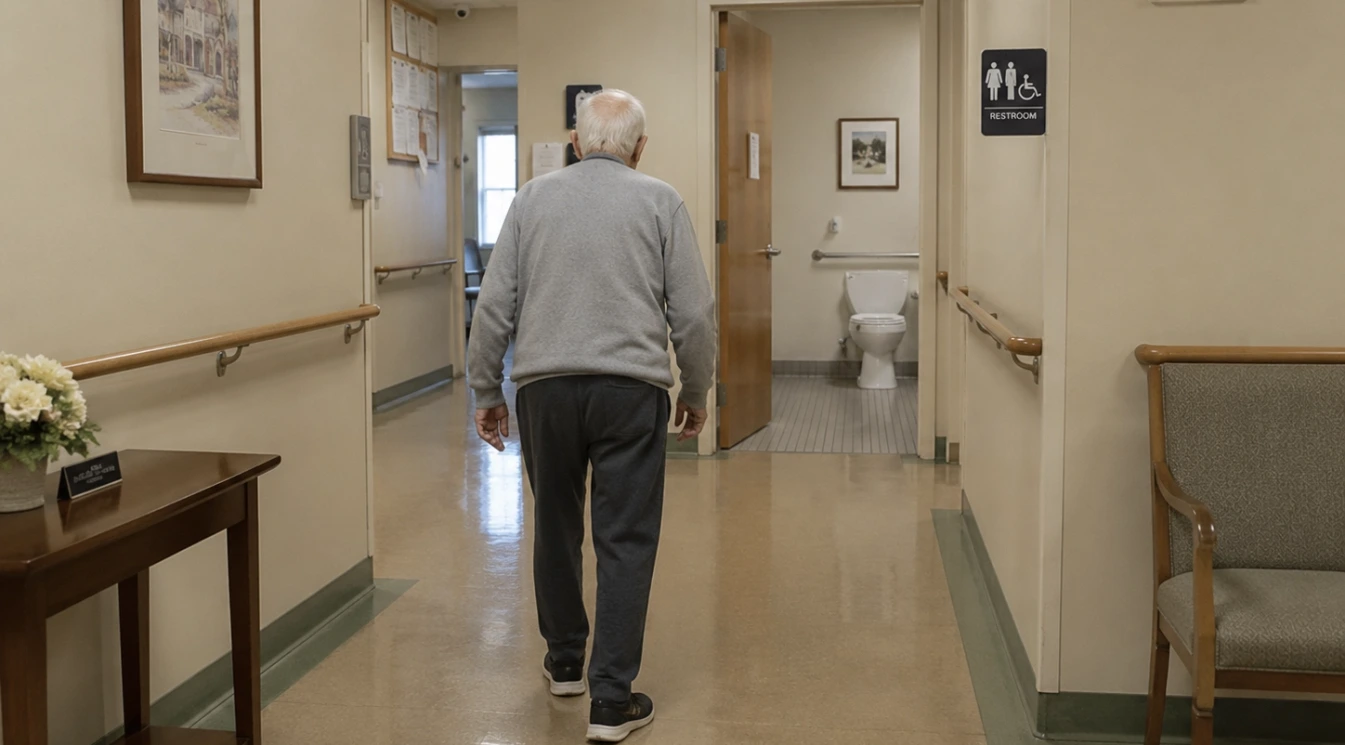
Keeping a resident safe does not mean confining the person to bed or preventing all movement. Excessive restriction can cause weakness, loss of function, isolation, and other harms. The goal is to support as much safe independence as possible while addressing known risks.
Depending on the resident, appropriate measures may include supervised walking, physical or occupational therapy, strength and balance work, scheduled toileting, medication review, accessible mobility devices, safer footwear, environmental changes, improved lighting, lower bed positioning, or closer observation during predictable high-risk times.
Bed or chair alarms may sometimes be considered, but an alarm is not a substitute for adequate staffing or timely assistance. Bed rails also require individualized evaluation because they can create entrapment, climbing, and injury risks and may function as restraints in some circumstances.
What Should Happen After a Resident Falls?
The facility's response after a fall can be as important as the precautions used before it. Staff should promptly assess the resident, obtain appropriate medical evaluation, communicate significant findings, document what occurred, and provide treatment or transfer when the resident's condition requires it.
The facility should also examine why the fall happened. A useful review looks at the resident's activity, location, footwear, equipment, staffing, medications, symptoms, and events immediately before the fall. The care team should then revise the care plan when the existing approach is ineffective or the resident's condition has changed.
Families should be cautious when the explanation is vague, changes from one staff member to another, or treats the incident as unavoidable without addressing the cause. Repeated statements that a resident simply “falls a lot” may indicate that the underlying risks have not been meaningfully evaluated.
Warning Signs That Need Prompt Medical Attention
Some injuries are obvious, but others may develop or become apparent later. A resident should receive prompt medical attention for concerning changes such as severe pain, inability to bear weight, new weakness, unusual sleepiness, vomiting, confusion, loss of consciousness, difficulty speaking, or a significant change in behavior.
Family members should also pay attention to a sudden fear of walking, unexplained bruising, reduced participation in therapy, or a rapid decline in mobility. These changes may reflect an injury, inadequate pain control, or fear following the incident.
Questions Families Can Ask the Facility
Calm, specific questions can help clarify whether the resident's risks were recognized and addressed:
- When was the resident's fall risk last assessed?
- What assistance was required for walking, transfers, and toileting?
- Were those instructions being followed at the time of the fall?
- Were there prior falls, near-falls, or attempts to stand without help?
- Did any medication, illness, or change in condition increase the risk?
- Who found the resident, and what immediate assessment was performed?
- Was the physician or authorized representative notified?
- What new interventions were added after the incident?
- How will staff verify that the revised plan is working?
Records That May Explain What Happened
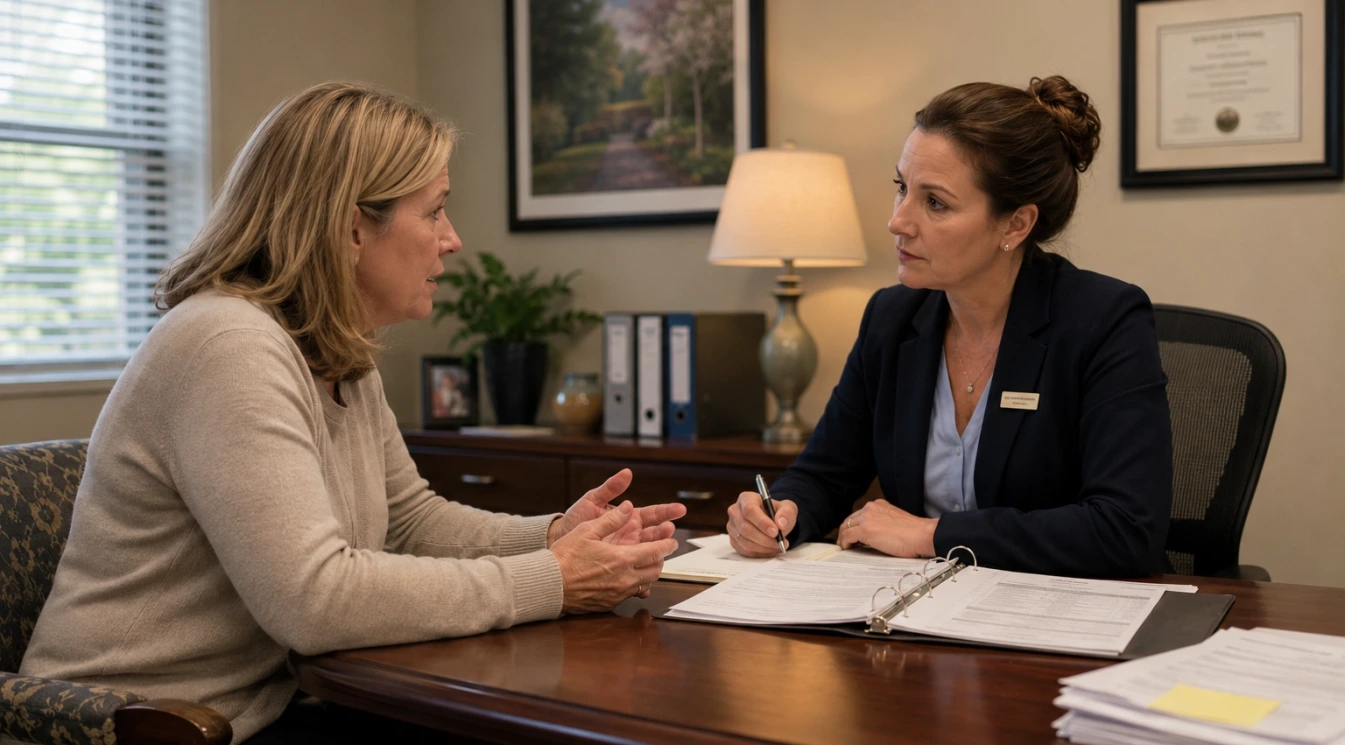
When a fall causes serious injury or the explanation remains unclear, records may show whether the facility identified the risk and followed its own plan. Relevant documents can include:
- Admission and comprehensive assessments.
- Fall-risk evaluations and care plans.
- Nurses' notes and certified nursing assistant documentation.
- Transfer, toileting, mobility, and therapy records.
- Medication orders and medication administration records.
- Incident reports and post-incident assessments, when available.
- Hospital, imaging, and emergency treatment records.
- Staffing schedules, assignment sheets, and training records.
- Maintenance or equipment records related to a physical hazard.
Families can also preserve their own dated notes, photographs of visible injuries or environmental conditions, names of witnesses, and copies of communications with the facility. Records should be gathered lawfully and without altering or removing original facility materials.
What Families Can Do After a Serious Fall
Medical safety comes first. Seek emergency assistance when the resident may have a head injury, fracture, neurological change, severe pain, or another urgent condition. Ask the facility for a clear account of what happened and request a care-plan meeting if the resident remains at the facility.
Families may also contact the Long-Term Care Ombudsman or the California Department of Public Health when they believe safety concerns are not being addressed. A complaint investigation and a civil legal claim are different processes, and the appropriate next step depends on the facts.
Avoid assuming that the absence of a witness means nothing can be determined. Care plans, charting, medication changes, call-light records, staffing assignments, prior incidents, and the physical layout may help reconstruct the circumstances.
When a Nursing Home Fall May Support a Legal Claim
A legal claim may be considered when a facility's failure to provide reasonable care contributed to a fall and resulting harm. The analysis may involve whether the risk was foreseeable, whether the facility had appropriate interventions, whether staff followed them, and whether the failure caused or worsened the injury.
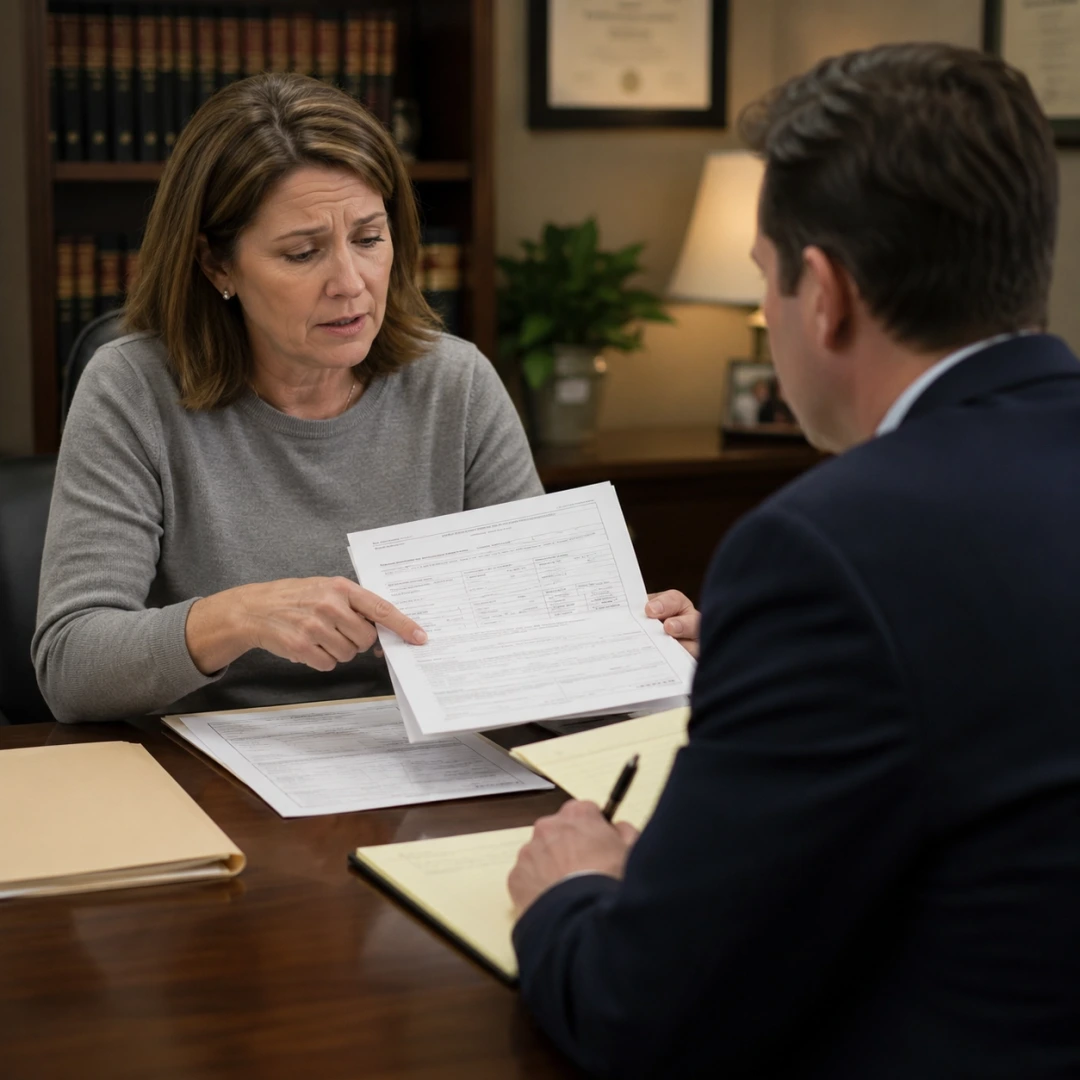
Newman Law Group represents residents and families in matters involving nursing home neglect, preventable falls, inadequate supervision, unsafe transfers, and related injuries. The firm can review records, investigate the facility's response, and explain the legal options that may be available under the circumstances.
Speak With a Sacramento Nursing Home Neglect Attorney
A nursing home should not dismiss a serious fall without examining whether better care could have prevented it. If a loved one suffered a fracture, head injury, hospitalization, or significant decline after a fall, prompt review can help preserve evidence and clarify what occurred.
This article provides general information and is not legal or medical advice. Every fall and every resident's condition is different. Medical concerns should be evaluated by qualified health professionals, and an attorney can provide advice about the facts of a particular matter.
Click here to contact Newman Law Group and speak with a Sacramento elder abuse attorney, or call us at 9169320397.