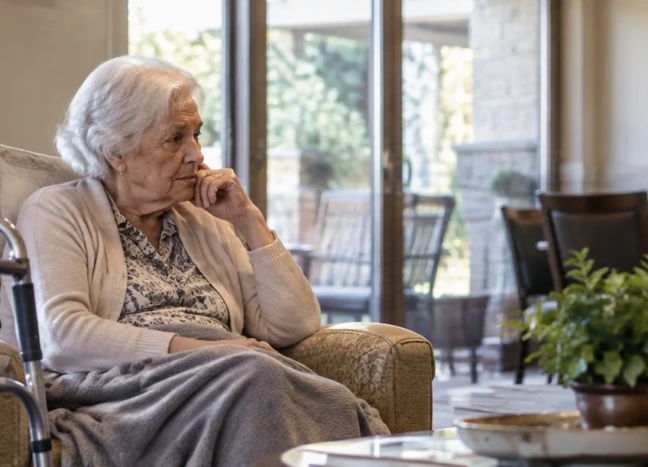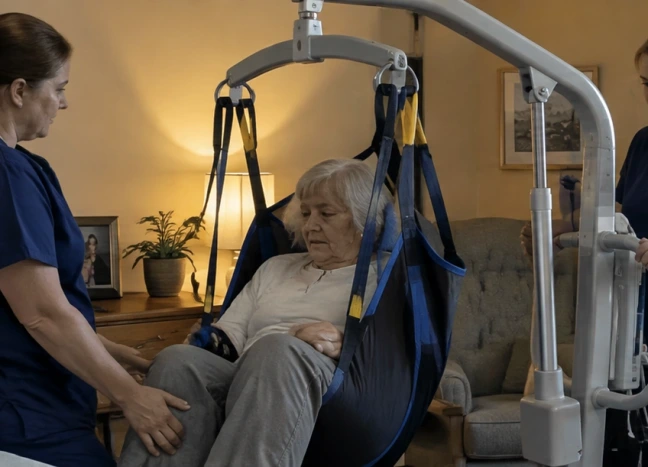

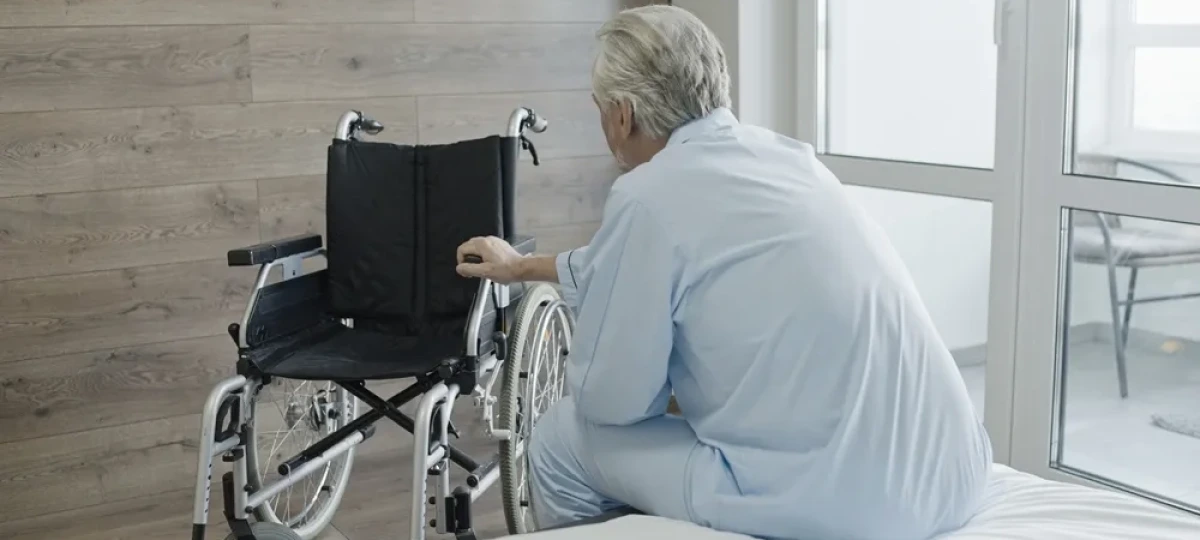
A nursing home discharge or transfer should occur only when it is lawful, medically appropriate, and supported by a safe discharge plan. Unfortunately, some California facilities pressure residents and their families to leave before the resident is ready, particularly after Medicare coverage ends, when payment becomes disputed, or when the resident begins requiring more assistance.
An improper transfer, eviction, refusal to readmit, or unsafe discharge may violate state and federal resident protections. Families who understand the rules can often challenge a wrongful discharge before their loved one is displaced or placed at risk.
What Is a Wrongful Nursing Home Discharge?
A wrongful discharge occurs when a nursing facility forces or pressures a resident to leave without a legally permitted reason, proper written notice, required documentation, appropriate appeal information, or a safe discharge plan.
Wrongful discharge can take several forms. A facility may issue an improper eviction notice, send a resident to a hospital and then refuse to readmit them, pressure a family to remove the resident voluntarily, or claim that the resident must leave because Medicare will no longer pay for skilled care.
These situations should be taken seriously. An unsafe discharge can leave an older adult without necessary medication, supervision, housing, rehabilitation, or medical treatment. Depending on the circumstances, the facility’s conduct may constitute neglect, abandonment, a violation of resident rights, or another form of unlawful treatment.
The Six Reasons a Nursing Home May Lawfully Discharge a Resident
Federal law generally permits a Medicare- or Medicaid-certified nursing facility to involuntarily transfer or discharge a resident only for one of six reasons:
-
The resident’s needs cannot be met by the facility. The facility must identify the specific needs it claims it cannot meet, document its efforts to meet them, and explain how the proposed destination can provide the required care.
-
The resident’s health has improved sufficiently. A discharge may be appropriate when the resident no longer requires the level of care provided by the nursing facility.
-
The resident’s continued presence endangers the safety of others. The claimed safety risk must be supported by appropriate clinical documentation rather than vague statements that the resident is difficult or inconvenient.
-
The resident’s continued presence endangers the health of others. The facility must document the health-related basis for the proposed transfer or discharge.
-
The resident has not paid after receiving proper notice. Nonpayment may be a lawful basis in limited circumstances, but facilities must follow applicable notice requirements and account for pending Medicare, Medi-Cal, insurance, or other payment issues.
-
The facility permanently closes. Even when a facility closes, it must follow applicable notice, transfer, and discharge-planning requirements.
A facility cannot lawfully discharge a resident simply because the resident complains about care, requires substantial assistance, has challenging symptoms, or is less profitable than another potential resident.
The End of Medicare Coverage Does Not Automatically Require a Resident to Leave
One of the most common sources of confusion involves the end of Medicare-covered skilled nursing services. Medicare may cover qualifying skilled nursing care for a limited period, but the end of Medicare payment does not automatically terminate the resident’s right to remain in the facility.
A facility may provide a Notice of Medicare Non-Coverage when it believes Medicare-covered services are ending. That notice concerns Medicare payment and appeal rights. It is not, by itself, a lawful nursing home discharge notice.
A resident may have the right to challenge the termination of Medicare-covered services. If Medicare coverage ultimately ends, the resident and family may need to arrange another lawful payment method, such as private payment, Medi-Cal, long-term care insurance, or another available benefit. The facility must still follow the applicable discharge rules and cannot simply remove the resident because Medicare stopped paying.
Warning Signs of an Improper Discharge
Families should be cautious when a nursing home:
Demands that the resident leave immediately or provides only verbal notice.
Issues a discharge notice shortly after Medicare coverage ends.
Claims the facility accepts only short-term or rehabilitation residents.
States that the resident is too difficult without explaining which needs cannot be met.
Pressures the family to take the resident home despite serious care needs.
Sends the resident to a hospital and then refuses to readmit them.
Retaliates after the resident or family complains about care, staffing, neglect, or safety.
Fails to identify a safe and appropriate destination.
Provides a notice that omits the reason, effective date, destination, appeal instructions, or ombudsman information.
What to Do After Receiving a Discharge Notice
1. Review the Written Notice CarefullyA facility-initiated nursing home discharge generally requires advance written notice. In many nonemergency situations, the notice must be provided at least 30 days before the proposed move.
The notice should identify the reason for the discharge, the proposed effective date, the intended destination, appeal rights, and contact information for the Long-Term Care Ombudsman. Compare the stated reason with the resident’s medical records, care plan, payment history, and current condition.
A vague statement such as “we can no longer meet the resident’s needs” should not be accepted without further explanation. Ask the facility to identify the specific needs it cannot meet, what efforts it made to provide the necessary care, and why the proposed destination is appropriate.
2. Do Not Agree to a Premature or Unsafe MoveFacilities sometimes characterize a discharge as voluntary and pressure relatives to take the resident home immediately. Agreeing to a transfer before understanding the resident’s rights may make it more difficult to challenge the facility’s actions later.
Unless there is an immediate medical emergency, speak with an advocate or attorney before signing discharge paperwork, transporting the resident, or agreeing that the move is voluntary.
3. Request an Appeal ImmediatelyCalifornia nursing home residents have the right to challenge a facility-initiated transfer, discharge, or refusal to readmit through the California Department of Health Care Services. Appeal deadlines can be short, so families should act as soon as a notice is received.
A timely appeal may allow the resident to remain in the facility while the dispute is reviewed. The discharge notice should include instructions, but residents and representatives can also consult the DHCS Transfer, Discharge and Refusal to Readmit Unit.
4. Document EverythingPreserve all documents and communications related to the proposed discharge, including:
The written discharge or transfer notice.
Medicare noncoverage notices and appeal documents.
Care plans, assessments, physician notes, and hospital records.
Billing records, payment notices, and Medi-Cal application information.
Emails, letters, text messages, and facility correspondence.
Names and job titles of staff members involved.
A written timeline of meetings, telephone calls, threats, and important events.
Detailed records can show whether the facility followed the law, accurately described the resident’s condition, and made reasonable efforts to meet the resident’s needs.
5. Contact the Long-Term Care OmbudsmanCalifornia’s Long-Term Care Ombudsman Program advocates for residents of nursing homes, assisted living facilities, and other long-term care settings. An ombudsman may investigate the discharge, communicate with the facility, explain resident rights, and help the family pursue a complaint or appeal.
The statewide Long-Term Care Ombudsman CRISISline is available at 1-800-231-4024.
6. Report the Facility to the Appropriate AgencyComplaints concerning skilled nursing facilities may be submitted to the California Department of Public Health. CDPH licenses and regulates skilled nursing facilities and may investigate violations involving resident rights, unsafe discharge practices, neglect, or inadequate discharge planning.
Assisted living facilities and Residential Care Facilities for the Elderly are regulated by the California Department of Social Services. Their eviction rules and procedures differ from the federal nursing-home requirements discussed above. Families dealing with an assisted living eviction should contact the Long-Term Care Ombudsman and the appropriate Community Care Licensing office.
7. Protect the Resident if a Discharge Has Already OccurredWhen a resident has already been removed or the facility refuses to readmit them after hospitalization, seek help immediately. Contact the Long-Term Care Ombudsman, request a readmission or discharge appeal, and speak with the hospital discharge planner or social worker about safe temporary care.
If the older adult is now living in the community and faces an immediate risk of abuse, neglect, homelessness, or inability to meet basic needs, California Adult Protective Services can be reached at 1-833-401-0832. Call 911 when there is an immediate medical or safety emergency.
8. Speak With an Experienced AttorneyAn attorney familiar with nursing home law and elder abuse can evaluate whether the facility had a lawful reason for the discharge, determine whether required procedures were followed, help present evidence during an appeal, and pursue additional remedies when the resident has suffered harm.
Legal assistance may be particularly important when the facility’s actions appear retaliatory, financially motivated, medically unsafe, or part of a refusal to readmit the resident after hospitalization.
California Advocates for Nursing Home Reform also provides consumer information and a statewide hotline at 1-800-474-1116.
Contact Newman Law Group Today
Nursing homes are responsible for protecting residents and arranging safe, lawful transfers when a move is genuinely necessary. They should not pressure vulnerable residents to leave because their care has become more complicated, their Medicare coverage is ending, or they have asserted their legal rights.
If you believe your loved one is facing an improper discharge, transfer, or refusal to readmit, contact Newman Law Group, LLP. Our Sacramento nursing home wrongful discharge attorneys can review what happened, explain the available options, and help your family protect your loved one’s safety and legal rights.
To schedule a consultation, call 9169320397 or fill out our online contact form.