
A small area of discolored skin can become a deep and dangerous wound when pressure is not relieved and the resident’s condition is not properly addressed. In nursing homes, these injuries are commonly called bedsores, pressure sores, pressure ulcers, or pressure injuries. The terms are often used interchangeably, although “pressure injury” is now widely used by clinicians because serious damage can exist before the skin opens.
Pressure injuries are classified by the depth and type of tissue damage. Understanding the stages can help families ask better questions, but staging should be performed by a qualified health professional. Not every open wound is a bedsore, and not every bedsore proves neglect. Moisture-associated skin damage, skin tears, arterial or venous ulcers, diabetic wounds, and surgical wounds may look similar while requiring different treatment.
The more important legal and care questions are how the wound developed, what risks the nursing home identified, what preventive measures were ordered, whether those measures were carried out, and how staff responded when the resident’s skin began to deteriorate.
What Causes a Nursing Home Bedsore?
A pressure injury develops when sustained pressure, or pressure combined with shear, damages the skin and underlying tissue. Pressure injuries most often develop over bony areas such as the heels, ankles, hips, tailbone, elbows, shoulder blades, and back of the head. A medical device can also create pressure against the skin.
Residents may be especially vulnerable when they:
- Cannot reposition themselves in bed or a wheelchair
- Need staff assistance with transfers or mobility
- Have reduced sensation or cannot communicate discomfort
- Experience incontinence, perspiration, or prolonged moisture exposure
- Have poor circulation, diabetes, vascular disease, or fragile skin
- Are dehydrated, malnourished, or losing weight
- Are recovering from surgery, illness, or a lengthy hospitalization
- Use oxygen tubing, braces, casts, splints, or other medical devices
Risk factors do not make a serious wound inevitable. They should prompt an individualized prevention plan, regular skin observation, appropriate support surfaces, assistance with repositioning and mobility, moisture management, and attention to nutrition and hydration.
Stage 1 Bedsore: Intact Skin With Persistent Discoloration
A Stage 1 pressure injury involves intact skin with a localized area of non-blanchable redness or discoloration. “Non-blanchable” means the color does not fade normally when light pressure is applied. The area may also feel warmer, cooler, firmer, softer, or more painful than nearby skin.
Stage 1 injuries can be harder to recognize in residents with darker skin tones because the affected area may not appear bright red. Changes in color, temperature, texture, or tenderness may be more informative. Purple or maroon discoloration may suggest a deep-tissue pressure injury rather than a Stage 1 wound.
This early stage deserves prompt attention. Staff should relieve pressure, inspect the area, identify contributing factors, and update preventive measures. Waiting for the skin to open can allow avoidable tissue damage to progress.
Stage 2 Bedsore: Partial-Thickness Skin Loss
A Stage 2 pressure injury involves partial-thickness skin loss with exposed dermis. It may appear as a shallow open area with a pink or red wound bed, or as an intact or ruptured blister. Deeper structures and fatty tissue are not exposed, and slough or eschar should not obscure the wound bed.
Stage 2 should not be used as a general label for every superficial skin problem. Moisture damage, adhesive injury, skin tears, burns, and abrasions may require a different diagnosis. Accurate identification matters because the cause determines which interventions are likely to help.
At this stage, the facility should address pressure relief, protection of the wound, moisture and incontinence, pain, nutrition, mobility, and any equipment contributing to the injury. The wound should be measured and monitored for improvement or deterioration.
Stage 3 Bedsore: Full-Thickness Skin Loss
A Stage 3 pressure injury involves full-thickness skin loss. Fatty tissue may be visible, and the wound may have granulation tissue, rolled edges, undermining, or tunneling. Fascia, muscle, tendon, cartilage, and bone are not exposed.
The apparent depth can vary by location. A Stage 3 wound on an area with more fatty tissue may be deep, while a wound over the heel, ankle, or another area with little subcutaneous tissue may appear shallower. The stage is determined by the tissue involved, not by a single depth measurement.
A Stage 3 wound requires careful treatment and ongoing reassessment. Staff should monitor wound dimensions, tissue appearance, drainage, surrounding skin, pain, and signs of infection. Continued enlargement, new tunneling, increasing drainage, odor, fever, or worsening pain should prompt clinical review.
Stage 4 Bedsore: Full-Thickness Skin and Tissue Loss
A Stage 4 pressure injury involves full-thickness skin and tissue loss with exposed or directly palpable deeper structures such as fascia, muscle, tendon, ligament, cartilage, or bone. Undermining and tunneling are common, and slough or eschar may be present in parts of the wound.
Stage 4 bedsores can lead to severe complications, including deep infection, bone infection, hospitalization, surgery, and sepsis. Residents may require specialized wound care, pressure-relieving equipment, nutritional support, pain management, diagnostic testing, or treatment by outside clinicians.
The existence of a Stage 4 wound does not automatically establish when it began or who is responsible. Some residents arrive from a hospital or another facility with an advanced pressure injury. The admission assessment, photographs, transfer records, and later wound documentation can help establish whether the wound was present on admission, worsened after admission, or developed at the nursing home.
Unstageable Pressure Injuries
A wound is considered unstageable when full-thickness skin and tissue loss is present but the actual depth cannot be confirmed because slough or eschar covers the wound bed. Slough is generally moist, nonviable tissue; eschar is generally darker, dead tissue that may appear dry or leathery.
If the obscuring tissue is removed when clinically appropriate, the wound may be revealed as a Stage 3 or Stage 4 pressure injury. Stable, dry, intact heel eschar may sometimes be left in place rather than removed, particularly when circulation is impaired. Treatment decisions should be made by qualified clinicians based on the resident’s condition.
Deep-Tissue Pressure Injury
A deep-tissue pressure injury may appear as persistent deep red, maroon, or purple discoloration, or as separation of the skin that reveals a dark wound bed or blood-filled blister. The skin may initially remain intact even though deeper tissue has already been damaged.
These injuries can evolve rapidly. A darkened area may later open and reveal full-thickness tissue loss despite prompt treatment. That progression does not necessarily prove that staff caused the injury after it was first observed. The timeline must include the resident’s prior condition, pressure exposure, skin findings, prevention measures, and whether staff recognized and responded to the warning signs.
Stages Do Not Tell the Whole Story
A wound’s stage describes the depth and tissue involved; it does not explain the cause, duration, quality of treatment, or likelihood of healing. A small Stage 3 wound may be clinically serious, while a broad Stage 2 injury may require a different type of intervention. Families should not judge care from the stage number alone.
Important additional details include:
- Location and size
- Length, width, and depth
- Undermining or tunneling
- Whether a medical device contributed to pressure
- Wound and surrounding tissue
- Granulation tissue, slough, eschar, or exposed structures
- Drainage, odor, warmth, swelling, and redness
- Pain, tenderness, or reduced sensation
- Resident and care factors
- Mobility and repositioning ability
- Nutrition, hydration, circulation, and continence
- Support surfaces, heel protection, and treatment orders
Clinicians should describe how the wound is changing over time. A wound that appears smaller but develops deeper tissue involvement may not be improving. Consistent measurements, photographs when appropriate, and clear descriptions make the record easier to evaluate.
What Nursing Homes Should Do to Prevent Pressure Injuries
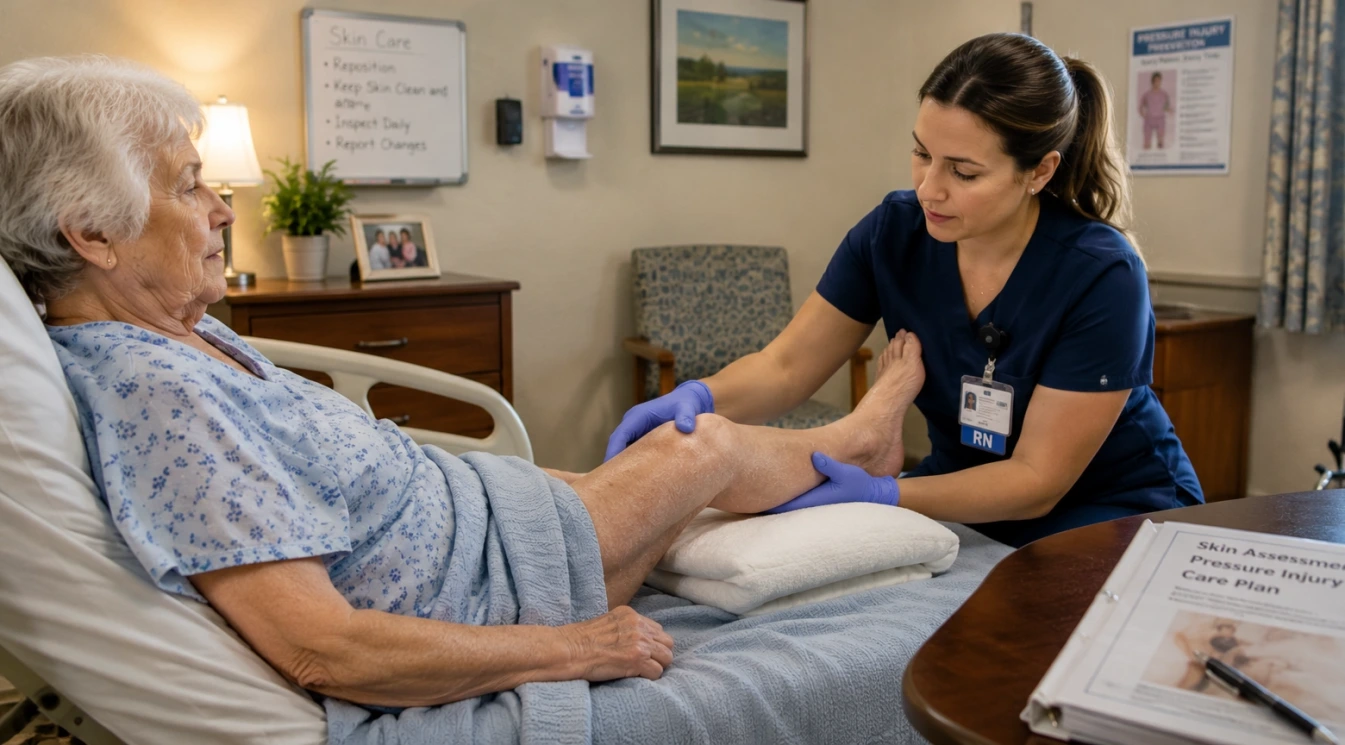
Federal regulations require Medicare- and Medicaid-certified nursing facilities to ensure that residents receive care consistent with professional standards to prevent pressure ulcers and do not develop them unless the resident’s clinical condition demonstrates that they were unavoidable. A resident who already has a pressure ulcer must receive necessary treatment and services to promote healing, prevent infection, and prevent additional ulcers.
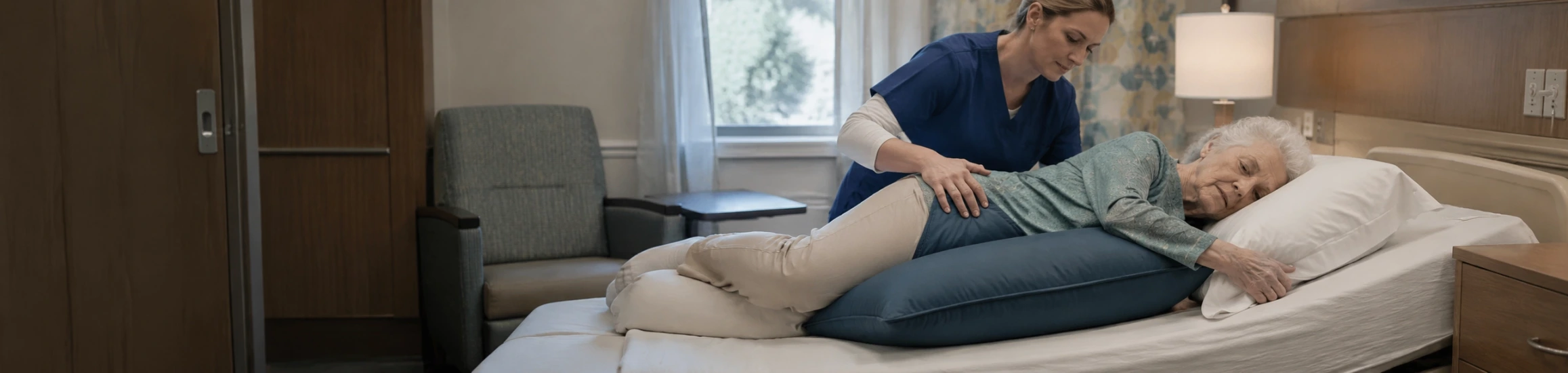
Prevention should be individualized rather than reduced to one universal turning schedule. Depending on the resident, appropriate measures may include:
- Completing skin and pressure-injury risk assessments on admission and after significant changes
- Inspecting vulnerable skin areas regularly
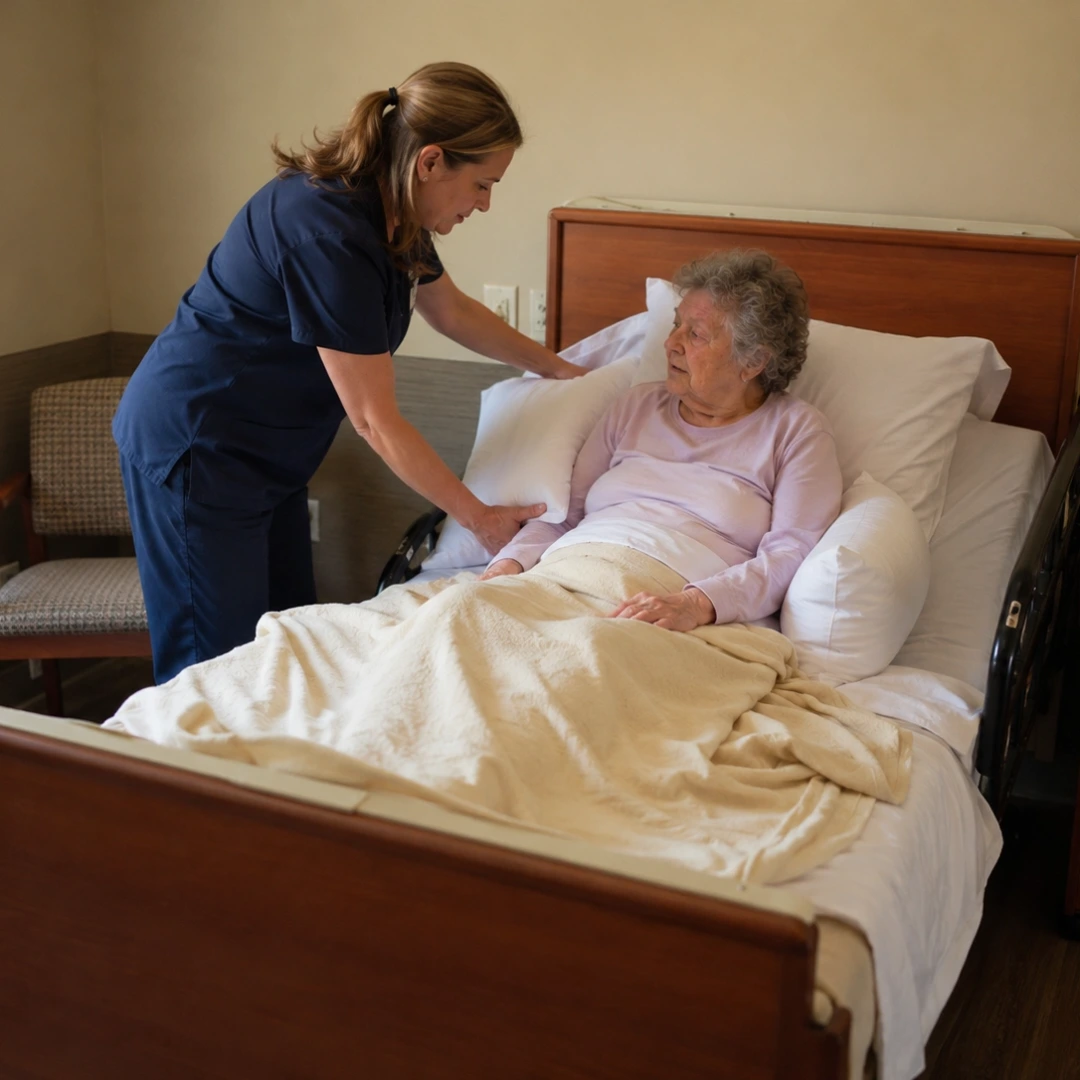
- Helping the resident reposition in bed and shift weight while seated
- Using pressure-redistributing mattresses, cushions, and heel-offloading devices
- Keeping skin clean and managing moisture or incontinence
- Supporting mobility and time out of bed when medically appropriate
- Evaluating food intake, weight loss, hydration, and nutritional needs
- Checking tubing, braces, masks, splints, and other devices for pressure
- Training staff and communicating the prevention plan across shifts
- Revising interventions when the skin worsens or the plan is ineffective
Staffing can affect whether these measures occur consistently. Repositioning, toileting, skin checks, meals, and wound treatments require time and coordination. Our article on nursing home understaffing and neglect discusses how repeated missed care can place dependent residents at risk.
When a Bedsore May Be Unavoidable
Some pressure injuries may develop despite appropriate care because of severe illness, impaired circulation, multi-organ failure, terminal decline, or another clinical condition. Calling a wound “unavoidable,” however, does not end the inquiry.
A meaningful review asks whether the nursing home:
- Evaluated the resident’s condition and pressure-injury risks
- Created interventions consistent with those risks and the resident’s goals
- Implemented the interventions consistently
- Monitored the resident’s response and the condition of the skin
- Revised the plan when the resident’s condition or wound changed
- Provided treatment intended to promote healing and prevent infection
The answer depends on the medical circumstances and the care actually provided. A resident’s frailty does not excuse missed prevention or treatment, but appropriate care cannot guarantee that every wound will be avoided.
Warning Signs That a Pressure Injury Deserves Investigation
A family may have reason to look more closely when:
- Staff cannot explain when the wound was first noticed
- The family learns about an advanced wound only after hospitalization
- Records show long gaps in skin assessments or wound measurements
- Records document repositioning or treatment that family members or other witnesses repeatedly observed was not provided
- The wound worsens without a change in treatment or referral
- Different staff members provide conflicting explanations
- Ordered equipment was unavailable, broken, or not used
- Weight loss, dehydration, incontinence, or infection was not addressed
- New pressure injuries continued to appear after the first wound was identified
These facts do not prove neglect by themselves, but they may justify a review of the resident’s chart, staffing records, treatment orders, and outside medical records.
Records That May Clarify How the Bedsore Developed
Relevant records may include:
- Hospital and facility admission skin assessments
- Body maps and photographs showing whether a wound was present on admission
- Pressure-injury risk assessments and care plans
- Nursing notes and certified nursing assistant documentation
- Repositioning, continence, mobility, and transfer records
- Wound measurements, treatment notes, and specialist consultations
- Physician orders and treatment administration records
- Weight, food, fluid, laboratory, and dietary records
- Support-surface and medical-device records
- Staff schedules and assignments during the relevant period
- Hospital transfer, infection, surgery, and sepsis records
Families can also preserve dated photographs, messages, notes from visits, and the names of people who observed the wound or discussed it. Our article about preserving evidence after suspected nursing home neglect provides a broader documentation guide.
Infection and Other Serious Complications
A pressure injury can become infected locally or contribute to a deeper infection. Warning signs may include spreading redness, warmth, swelling, drainage, odor, increased pain, fever, new confusion, weakness, or a sudden decline. Those symptoms should be evaluated promptly by qualified medical professionals.
Serious complications can include cellulitis, abscesses, bone infection, and sepsis. More information is available on our page concerning unaddressed infections and sepsis in elder care.

When a Nursing Home Bedsore May Support a Neglect Claim
Not every nursing home bedsore supports a legal claim. An attorney generally examines the resident’s medical risks, condition on admission, prevention plan, actual care, wound progression, treatment, staffing, and resulting harm. Medical review may be needed to determine whether the injury was avoidable and whether a care failure caused or worsened it.
Newman Law Group represents residents and families in matters involving nursing home bedsores and pressure injuries, inadequate repositioning, missed wound care, infection, understaffing, and other forms of neglect. The firm can review the records, identify inconsistencies, and explain the legal options that may be available under the circumstances.
Contact Newman Law Group to discuss a serious pressure injury, or call 9169320397.
This article provides general legal and medical information and is not advice for a particular situation. A qualified health professional should evaluate any suspected pressure injury, infection, or rapid change in condition.