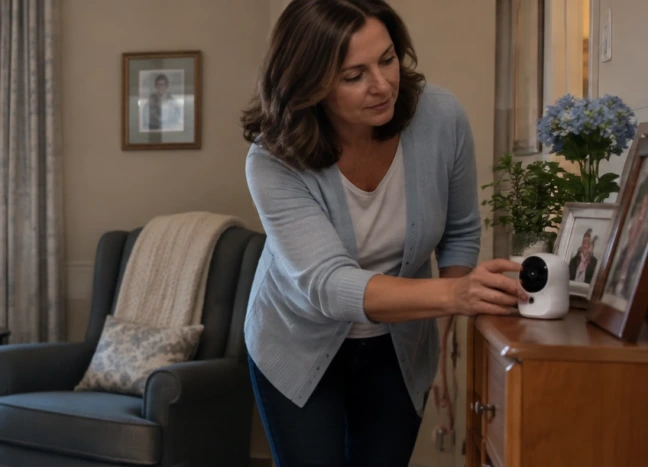


Physical restraints in nursing homes are not limited to obvious devices such as wrist straps or restraint vests. A raised bed rail, wheelchair tray, tightly secured sheet, reclining chair, or even the way furniture is positioned may restrict a resident’s movement. Whether something is a restraint depends less on what staff call it and more on how it affects the individual resident.
A device may help one resident with mobility while preventing another resident from standing, leaving a bed, or reaching part of the body. That distinction matters because nursing home residents have the right to be free from physical restraints used for discipline or staff convenience when they are not required to treat medical symptoms.
Not every temporary restriction is improper, and some residents may have a documented medical need for a specific intervention. The important questions are why the restraint was used, whether less restrictive options were tried, whether the resident or representative received meaningful information, how the resident was monitored, and whether the facility continued to reassess the need for the restraint.
What Counts as a Physical Restraint in a Nursing Home?
Federal guidance defines a physical restraint as a manual method, device, equipment, or material that is attached or next to the resident’s body, cannot be removed easily by that resident, and restricts freedom of movement or normal access to the body.
The resident’s physical strength, mobility, coordination, and cognitive condition all matter. A lap belt that one resident can intentionally release may not restrain that person. The same belt may be a restraint for a resident who cannot understand or operate the buckle. A bed rail may serve as an assistive device for one resident but confine another resident who cannot lower it or safely move around it.
Common Examples of Physical Restraints
Possible physical restraints include more than belts and ties. Depending on how they are used and whether the resident can remove or move around them, examples may include:
- Lap belts, pelvic restraints, vests, soft ties, wrist restraints, or hand mitts
- Wheelchair trays, tables, bars, or cushions that prevent a resident from standing
- Recliners, deep chairs, or beanbag-style seating from which the resident cannot rise
- Raised bed rails that prevent the resident from voluntarily leaving the bed
- Sheets tucked so tightly that the resident cannot move or get out of bed
- Clothing or fabric fastened in a way that restricts movement
- A bed or chair placed against a wall so the resident cannot get up
- Holding a resident’s arms, legs, or body to limit voluntary movement
- Position-change alarms that cause a resident to become afraid to move
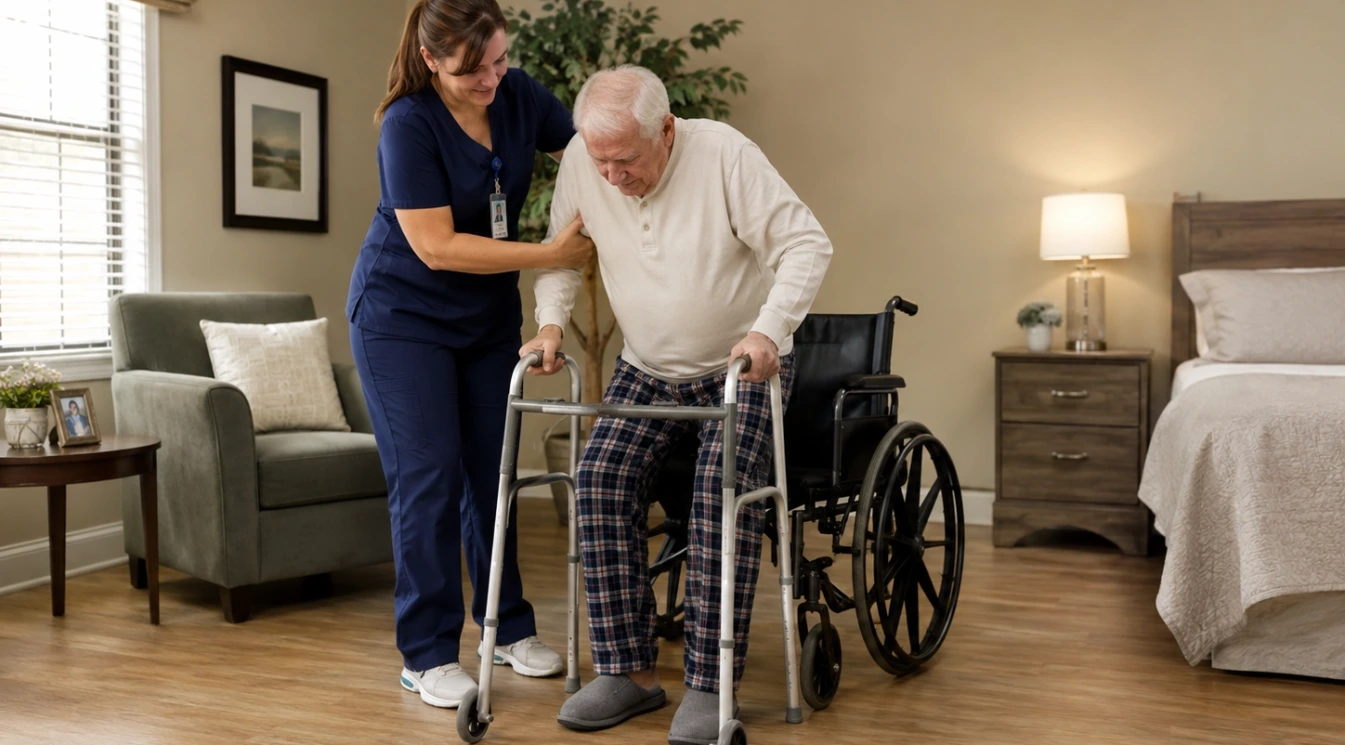
A mobility aid is not automatically a restraint merely because it touches or surrounds the resident. The practical effect on that resident is critical. Staff should assess whether the person can use, remove, or exit the device safely and intentionally.
Federal Protections Against Improper Physical Restraints
Federal nursing home regulations protect residents from physical restraints imposed for discipline or convenience when the restraints are not required to treat medical symptoms. When restraint use is clinically indicated, the facility must use the least restrictive alternative for the least amount of time and document ongoing reevaluation of the need.
“Convenience” does not simply mean that a device makes care easier. It generally refers to an action that changes the resident’s behavior so the resident requires less effort or care when that result is not in the resident’s best interest. “Discipline” refers to restraining a resident to punish or penalize the person.
A facility should be able to identify the medical symptom being treated, document why the selected restraint is necessary, show that less restrictive approaches were attempted and were ineffective, and explain how the resident will be protected while the restraint is used. A generic statement such as “for safety” does not by itself answer those questions.
Consent Does Not Make an Unnecessary Restraint Proper
Families sometimes request bed rails, belts, or other restrictions because they fear that a resident will fall. A facility may present the device as a simple safety precaution. However, consent does not authorize a nursing home to use a restraint for staff convenience or discipline when it is not required to treat a medical symptom.
When a restraint is being considered for a legitimate clinical reason, the resident or authorized representative should receive understandable information about:
- The medical symptom or need the facility is attempting to address
- The expected benefits and material risks of the restraint
- What may happen if the restraint is not used
- Less restrictive alternatives that were considered or attempted
- How long and how often the restraint is expected to be used
- How staff will monitor the resident and meet toileting, hydration, mobility, hygiene, and positioning needs
- How and when the facility will reevaluate and discontinue the restraint
The resident or representative may refuse a restraint or withdraw consent. The facility must still assess how the resident’s needs can be met safely rather than treating refusal as permission to reduce necessary care.
Are Bed Rails Physical Restraints?
Bed rails are not automatically restraints in every situation. A short assist rail may help a resident reposition or enter and leave bed independently. A full rail may restrain a resident who cannot lower it and would otherwise be able to get out of bed.
Federal requirements direct nursing homes to attempt appropriate alternatives before installing bed rails. If rails are used, the facility must assess the resident’s risk of entrapment, review the risks and benefits with the resident or representative, obtain informed consent, and ensure that the bed, mattress, and rail are compatible and properly maintained.
Potential hazards include:
- Entrapment between the rail, mattress, bed frame, or rail openings
- Strangulation or suffocation
- Falls from greater height when a resident climbs over a rail
- Delayed toileting or inability to reach the call light
- Reduced mobility, weakness, agitation, or fear
- Skin injuries caused by contact with the rail or attempts to escape it
A bed rail should not be treated as a substitute for supervision, timely toileting, an accessible call system, or an individualized fall-prevention plan.
Physical Restraints Do Not Necessarily Prevent Falls
Families are often told that a restraint is needed because a resident may stand without assistance or forget physical limitations. Current federal survey guidance states that falls generally do not constitute a medical symptom warranting physical restraint use. It also explains that physical restraints, including bed rails and position-change alarms, have not been shown to prevent or reduce falls and may make resulting injuries more severe.
A resident may try to climb over a rail, slide beneath a belt, tip a wheelchair, or struggle against a device. The restraint can change the way the fall occurs and create entrapment, strangulation, or other dangers that would not otherwise exist.
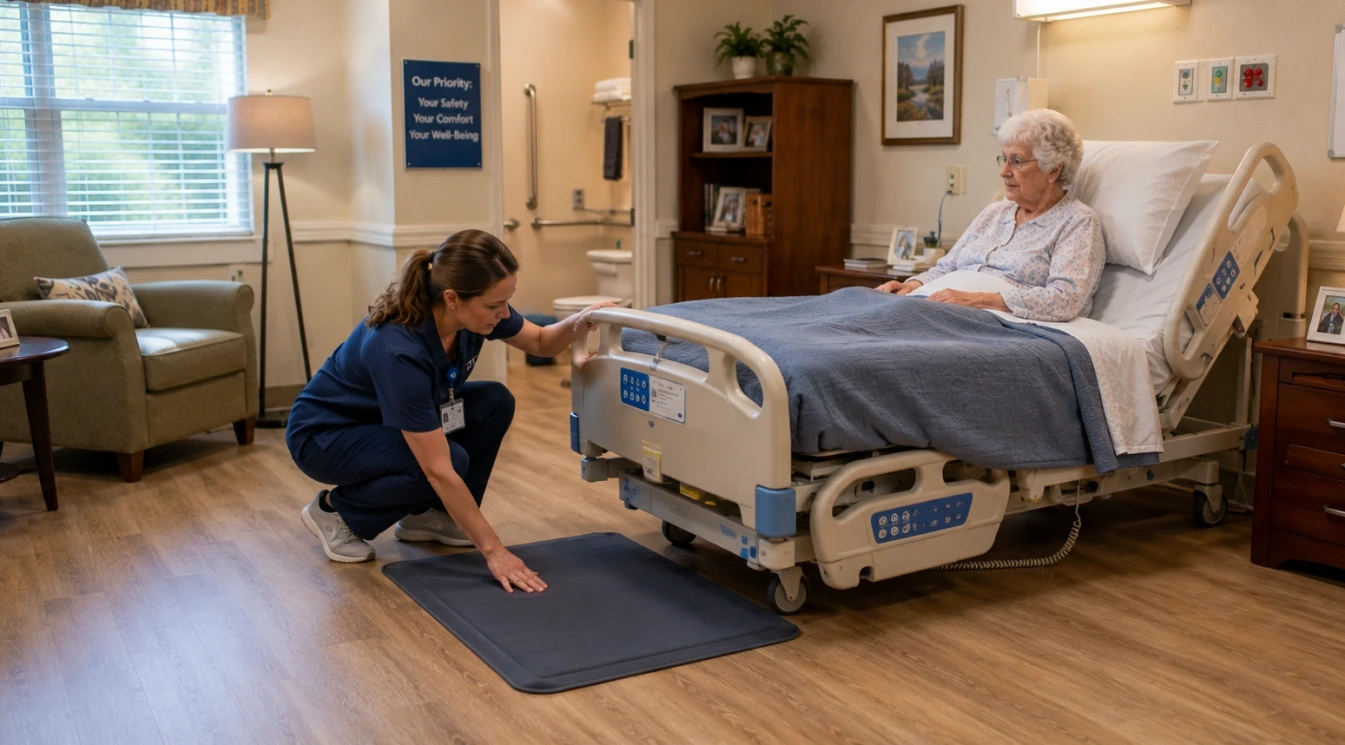
Safer fall-prevention measures depend on the resident and may include a lower bed, floor mat, scheduled toileting, supervised walking, therapy, medication review, improved lighting, proper footwear, accessible mobility equipment, closer observation during predictable high-risk periods, and a faster response to call lights. Our article on nursing home falls and preventable neglect discusses the need for individualized precautions in greater detail.
Why Nursing Homes May Use Restraints Improperly
Improper restraint use may occur when a facility lacks enough trained staff to respond to residents who need frequent assistance, wander, resist care, or attempt to stand. Restricting a resident can appear easier than providing supervision, addressing discomfort, changing a care routine, or investigating the reason for distress.
Warning explanations may include statements that:
- The unit is too busy to watch the resident closely
- The resident does not remember to wait for help
- A belt or tray is needed because staff cannot respond quickly
- The restraint is used whenever staffing is low or temporary workers are assigned
- The resident must be held down because personal care takes too long otherwise
- The restriction is necessary because the resident wanders into other rooms
These situations may reflect unmet staffing, training, pain-management, toileting, dementia-care, or behavioral-health needs. Our article about nursing home understaffing in California explains how chronic staffing shortages can contribute to repeated missed care.
Physical and Emotional Harm Associated With Restraints
Physical restraints can produce harm even when staff did not intend to injure the resident. Depending on the device, duration, monitoring, and resident’s condition, possible consequences include:
- Loss of physical function
- Muscle weakness, reduced balance, limited range of motion, and contractures
- Greater dependence with walking, transfers, dressing, and toileting
- Direct physical injury
- Bruising, skin tears, pressure injuries, nerve damage, or impaired circulation
- Entrapment, strangulation, breathing problems, or injuries from struggling against the device
- Psychological and behavioral effects
- Fear, humiliation, anger, agitation, depression, or withdrawal
- Loss of dignity, independence, and trust in caregivers
- Care-related complications
- Delayed toileting, incontinence, dehydration, reduced food intake, and social isolation
- Less mobility and increased risk of decline from prolonged inactivity
A resident who becomes more agitated after being restrained may struggle harder, creating a cycle in which staff view the reaction as justification for continued restriction rather than evidence that the intervention is causing harm.
Less Restrictive Alternatives Should Be Individualized
The appropriate alternative depends on why the resident is moving, wandering, resisting care, or trying to stand. Staff should look for the cause rather than focusing only on stopping the behavior.
Possible approaches include:
- Assessing for pain, infection, constipation, urinary urgency, hunger, thirst, medication effects, delirium, or anxiety
- Changing the timing, staff approach, or environment used for bathing and personal care
- Providing scheduled toileting and more frequent assistance
- Using a low bed, appropriate floor mat, or safer room arrangement
- Improving access to the call light, walker, glasses, hearing aids, and personal items
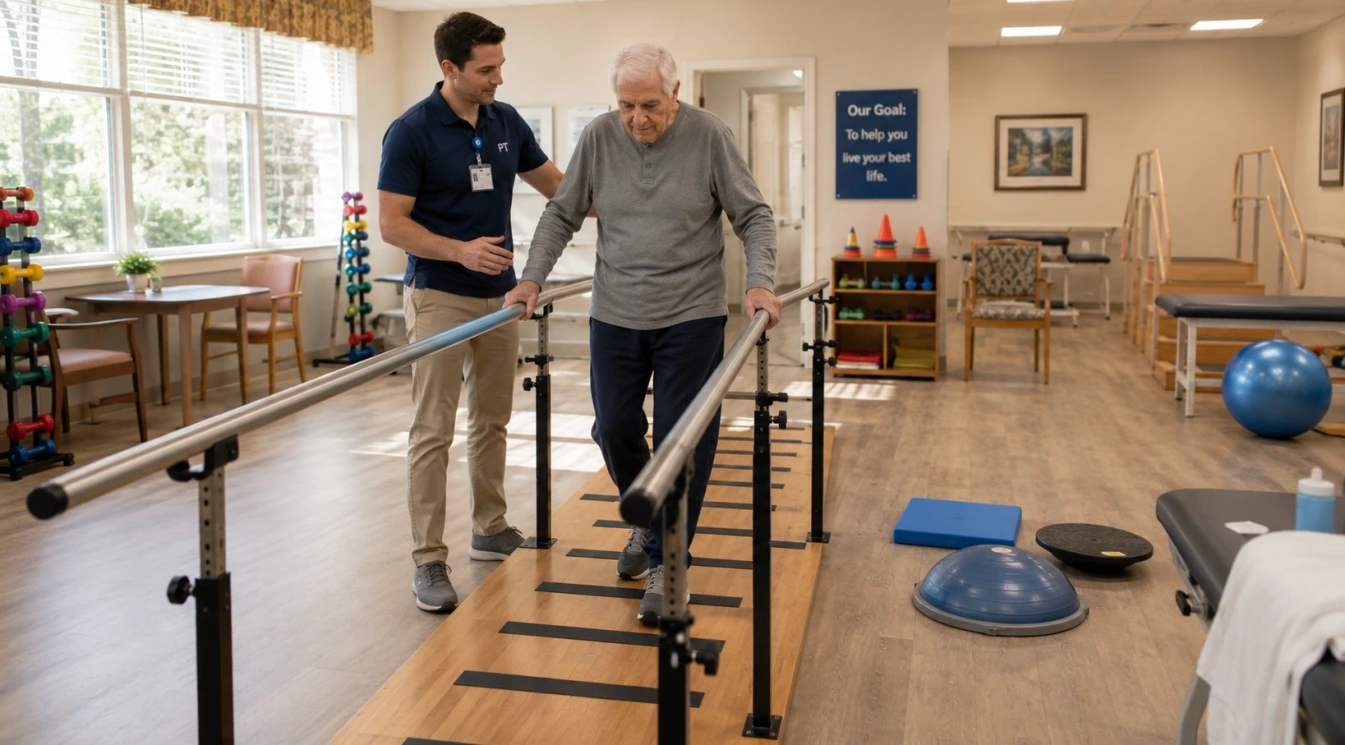
- Providing supervised mobility, physical therapy, occupational therapy, or restorative nursing
- Using meaningful activities and dementia-informed approaches to wandering or distress
- Increasing observation during the times when the resident is most likely to need help
- Reviewing medications that contribute to dizziness, sedation, urgency, or confusion
Alternatives should not be selected merely because they are labeled “restraint-free.” A poorly chosen device or practice can still restrict the resident. The nursing home should evaluate the actual effect and revise the care plan when an intervention is ineffective or causes new problems.
Can a Restraint Ever Be Used in an Emergency?
A brief emergency situation may differ from routine restraint use. Federal guidance recognizes that a restraint may sometimes be used as a last resort when a resident presents an imminent danger to the resident or others. In that situation, the facility must provide direct monitoring, obtain a practitioner’s order and supporting documentation during or immediately after application, assess possible causes such as pain, infection, or delirium, and discontinue the restraint as soon as the danger ends.
An emergency should not become a standing justification for repeated restraint. The record should explain what happened, what alternatives were attempted, why immediate action was necessary, how the resident was monitored, and what the facility did to prevent recurrence.
Warning Signs of Improper Restraint Use
Families may have reason to ask further questions when they observe:
- A resident repeatedly secured in a wheelchair or recliner without a clear explanation
- Raised bed rails despite the resident’s attempts to climb over or around them
- Bruising, abrasions, swelling, or marks near wrists, ankles, the waist, or chest
- A tray, table, belt, or chair that the resident cannot remove or leave independently
- Staff holding the resident down during nonemergency care
- Restrictions used more often on evenings, weekends, or understaffed shifts
- No documented medical symptom, practitioner order, monitoring plan, or reevaluation
- Family consent obtained without a meaningful discussion of risks and alternatives
- A sudden decline in mobility, continence, mood, appetite, or participation in activities
- Conflicting explanations from staff about why the restraint is being used
One observation may not establish misuse. The complete picture includes the resident’s abilities, the reason for the device, the care plan, the frequency and duration of use, alternatives attempted, monitoring, and resulting harm.
Records That May Help Explain What Happened
Relevant evidence may include:
- Admission and significant-change assessments
- Care plans and restraint assessments
- Practitioner orders and supporting medical documentation
- Consent forms and notes describing risks, benefits, and alternatives
- Nursing, certified nursing assistant, therapy, and behavioral notes
- Restraint application, release, monitoring, toileting, and repositioning records
- Fall reports, injury reports, photographs, and hospital records
- Bed-rail assessments, equipment records, and maintenance documentation
- Staffing schedules, assignments, and training materials
- Complaints, grievance records, and facility investigation reports
Families can preserve dated notes, photographs of the device or room arrangement when lawfully obtained, messages with staff, and the names of witnesses. Our guide to preserving evidence after suspected nursing home abuse or neglect explains additional steps that may help protect important information.
When Physical Restraint Use May Support an Elder Abuse Claim
The use of a physical restraint does not automatically establish elder abuse or negligence. A legal review generally considers whether the restraint was necessary to treat an identified medical symptom, whether less restrictive alternatives were attempted, whether the resident’s rights and choices were respected, whether monitoring was adequate, and whether the restraint caused or contributed to harm.
Improper restraint use may overlap with physical abuse, neglect, inadequate supervision, understaffing, falls, pressure injuries, or involuntary seclusion. Newman Law Group represents residents and families in cases involving physical elder abuse, unlawful restriction, preventable injuries, and other failures of nursing home care.
Contact Newman Law Group to discuss a serious restraint-related concern, or call 9169320397.
This article provides general legal and health information and is not advice for a particular situation. A qualified medical professional should evaluate any injury, breathing problem, sudden decline, or urgent safety concern.