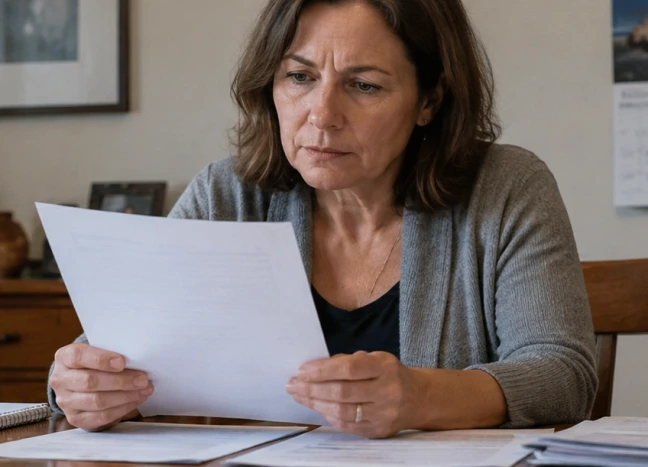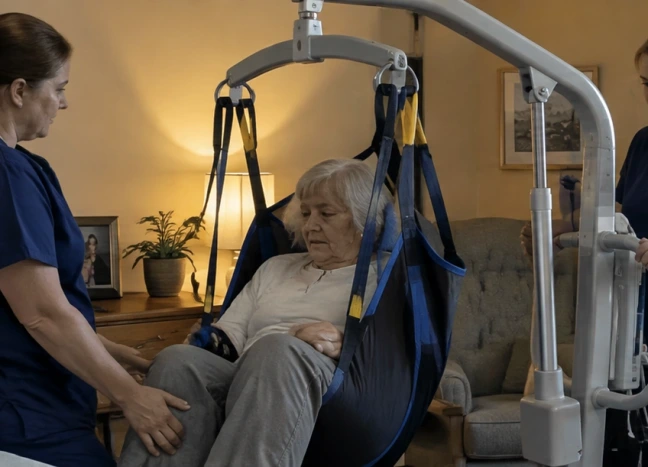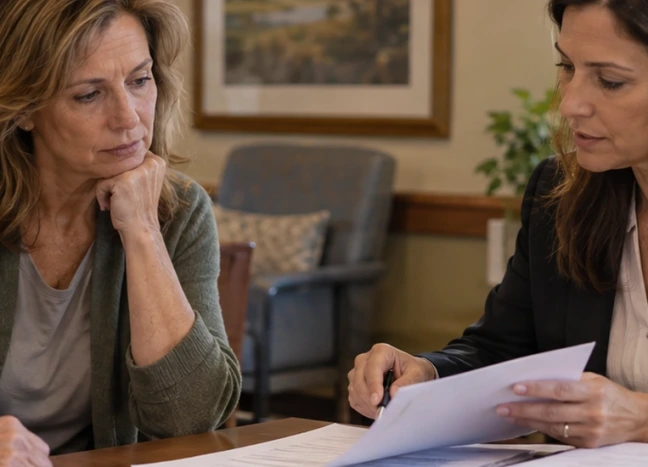


After surgery, a stroke, serious infection, fracture, or other hospitalization, an older adult may be discharged to a skilled nursing facility for short-term rehabilitation. Families often expect the stay to be brief and focused: physical therapy, occupational therapy, nursing care, and a safe return home. That plan can fail when the facility does not understand the hospital’s instructions, provide ordered rehabilitation, supervise transfers, manage medications, monitor a changing condition, or prepare a realistic discharge plan.
A facility may advertise a separate “rehab unit,” but short-term residents do not lose the protections provided to other nursing home residents. Rehabilitation is only one part of the care. The resident may also need wound treatment, pain control, fall precautions, assistance with eating and toileting, medication management, infection monitoring, and coordination with physicians and outside specialists.
This article focuses on rehabilitation provided in a skilled nursing facility after a hospital stay. An inpatient rehabilitation hospital or hospital rehabilitation unit operates under a different regulatory structure.
Why Hospital-to-Rehabilitation Transitions Are Vulnerable
The move from a hospital to a skilled nursing facility involves a rapid transfer of responsibility. The receiving facility must understand the resident’s diagnoses, recent procedures, medications, mobility restrictions, follow-up appointments, equipment needs, diet, wounds, and warning signs. A missing or misunderstood instruction can affect the entire rehabilitation stay.
Common transition problems include:
- An incomplete or inaccurate medication list
- Failure to obtain time-sensitive medications or supplies
- Missing weight-bearing, movement, or transfer restrictions
- Delayed therapy evaluations
- Failure to arrange follow-up with a surgeon or specialist
- Unclear wound-care or infection-monitoring instructions
- Equipment that is unavailable, improperly fitted, or not used
- A care plan that does not reflect the resident’s actual condition
Not every poor outcome results from neglect. Some residents have severe illnesses or injuries and may decline despite appropriate care. The question is whether the facility recognized the person’s needs and delivered the services required by the assessment, physician orders, and individualized care plan.
Short-Term Rehabilitation Is More Than Therapy Sessions
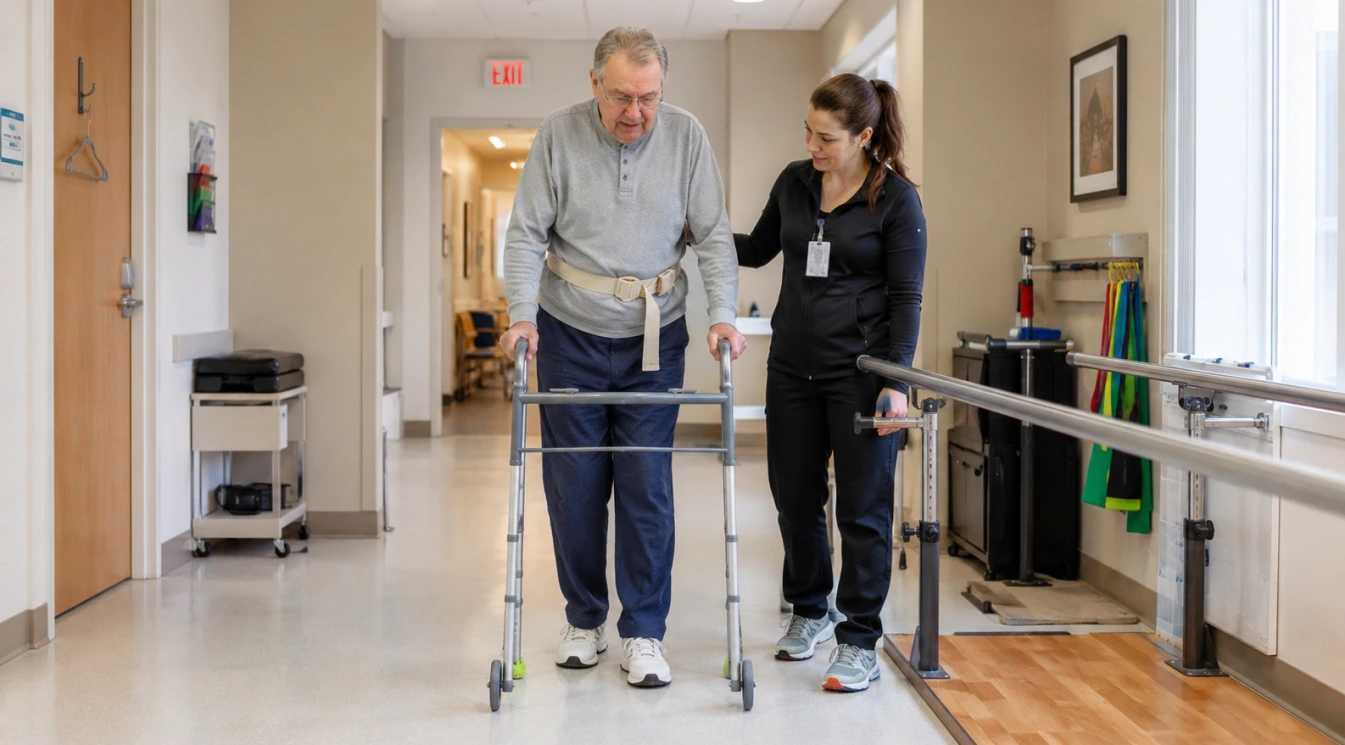
Families may understandably focus on how often a resident receives physical or occupational therapy. Therapy matters, but progress also depends on what happens during the rest of the day. A resident who spends hours in bed, misses pain medication, becomes dehydrated, or is not safely assisted to the bathroom may lose strength even if therapy sessions are documented.
Federal nursing facility regulations require necessary care and services to help a resident attain or maintain the highest practicable physical, mental, and psychosocial well-being, consistent with the assessment and care plan. When specialized rehabilitation such as physical, occupational, or speech therapy is required in the comprehensive care plan, the facility must provide it or arrange for it through a qualified outside provider. The services must be provided by qualified personnel under a physician’s written order.
The practical issue is therefore not simply whether a therapy note exists. A meaningful review considers whether the type, timing, and delivery of services matched the resident’s needs and whether nursing staff reinforced the safety instructions developed by the rehabilitation team.
Failure to Follow Weight-Bearing and Movement Restrictions
After orthopedic surgery or a fracture, a physician may limit how much weight the resident can place on an affected limb. Other residents may have precautions involving a hip, spine, shoulder, surgical incision, or medical device. These restrictions should be communicated clearly to nurses, nursing assistants, therapists, and anyone helping with mobility.
Problems may arise when staff:
- Transfer the resident without knowing the current restriction
- Use the wrong number of assistants
- Fail to use an ordered walker, gait belt, lift, brace, or other device
- Encourage movement beyond what the surgeon permitted
- Leave a resident to stand or walk without required supervision
- Do not update the care plan after restrictions change
An unsafe transfer can result in a fall, reinjury, wound disruption, dislocation, fracture, or fear that makes the resident reluctant to participate in future therapy. Our information about nursing home falls explains how supervision, assistive devices, and transfer requirements may affect whether an injury was preventable.
Missed, Delayed, or Ineffective Rehabilitation Services
A missed therapy session does not automatically establish neglect. A resident may be medically unstable, exhausted, in severe pain, unavailable because of an appointment, or unwilling to participate. The reason for a missed session and the response afterward are important.
Repeated concerns deserve closer review when:
- Ordered evaluations do not occur promptly after admission
- Sessions are repeatedly canceled because staff are unavailable
- The documented treatment does not match the resident’s limitations or goals
- Pain, sedation, low blood pressure, or another correctable problem prevents participation without being addressed
- The resident’s function declines while the plan remains unchanged
- Nursing staff do not follow mobility or positioning recommendations outside therapy
- The facility describes a lack of progress without reassessing the cause
Rehabilitation is individualized. The law does not guarantee a particular recovery or a fixed number of therapy minutes for every resident. Still, when rehabilitation services are required by the care plan, the facility should provide or arrange those services through qualified personnel and revise the plan when the resident’s condition or response changes.
Medication Problems After Hospital Discharge
Medication reconciliation is especially important during a transition. The hospital may stop a previous drug, change a dose, prescribe a short course of antibiotics or anticoagulants, or add medication for pain, blood pressure, blood sugar, or another condition. Errors can occur when old and new lists are combined incorrectly or when the facility cannot obtain a medication promptly.
Potential warning signs include:
- A medication ordered at discharge is not given
- A discontinued medication is restarted without clarification
- The resident receives duplicate drugs or an incorrect dose
- Pain is uncontrolled or the resident becomes excessively sedated
- Laboratory monitoring required for a medication is missed
- A possible adverse reaction is documented but not reported
Medication errors may interfere with rehabilitation by causing dizziness, weakness, confusion, low blood pressure, bleeding, uncontrolled pain, or reduced alertness. A facility should not dismiss these changes as ordinary aging without appropriate assessment and communication.
Falls and Unsafe Transfers During Rehabilitation
Many short-term rehabilitation residents enter the facility precisely because they are weak, unsteady, recovering from anesthesia, learning to use equipment, or unable to transfer safely. Their desire to regain independence can also lead them to attempt activities before they are ready.
An individualized fall-prevention plan may address:
- Mobility and transfer assistance
- One-person or two-person assistance
- Use of a gait belt, mechanical lift, walker, or wheelchair
- Safe footwear and properly adjusted equipment
- Medical and medication factors
- Dizziness, weakness, pain, or orthostatic blood-pressure changes
- Sedating medications or recent medication changes
- Urgent toileting needs and reduced endurance
- Communication and monitoring
- Consistent instructions from therapy and nursing staff
- Call light and personal items within reach
- Reassessment after a fall or meaningful functional change
When the written transfer status is not communicated between shifts or disciplines, a resident may receive conflicting instructions. The chart should show how risks were identified, what assistance was required, and whether staff followed the plan.
Pressure Injuries, Dehydration, and Loss of Function
A short stay can still be long enough for preventable complications to develop. A resident who is less mobile after hospitalization may need repositioning, pressure-relieving equipment, skin checks, nutrition support, and assistance getting out of bed. Someone who cannot reach water or needs help eating may quickly become dehydrated or lose weight.
Warning signs include new redness or skin breakdown, wet or soiled clothing, long periods in bed or a chair, reduced intake, rapid weight loss, worsening weakness, and a decline in grooming or hygiene. These conditions can interfere with therapy and delay discharge. A resident who develops a serious pressure injury may require substantially more treatment than was anticipated at admission. Additional information is available on our bedsore and pressure-injury page.
Failure to Recognize a Medical Decline
Rehabilitation staff and nursing staff observe different aspects of a resident’s condition. A therapist may notice new weakness, poor balance, confusion, shortness of breath, or inability to tolerate activity. Nursing staff may see fever, reduced intake, wound changes, medication effects, or altered behavior. Those observations should be communicated rather than treated as separate issues.
New confusion, low oxygen, chest symptoms, sudden weakness, uncontrolled pain, fever, unusual lethargy, or a rapid loss of function may require prompt medical evaluation. Delayed assessment or failure to notify the appropriate practitioner can allow an infection, stroke, medication reaction, or other condition to worsen.
A rehabilitation goal should not override a resident’s immediate medical needs. Conversely, a resident should not remain inactive for days without reassessment simply because one session was postponed. The care team should respond to the cause of the change and update the plan when appropriate.
The Difference Between Limited Progress and Neglect
Recovery is not always linear. A resident may reach a plateau, need more time, or remain unable to return home safely despite appropriate treatment. Neglect is not established merely because the person did not regain the hoped-for level of independence.
Concerns become more significant when the lack of progress is connected to identifiable failures, such as:
- Required therapy was not provided or arranged
- Medication or pain problems prevented participation and were not addressed
- Staff repeatedly failed to follow transfer or mobility instructions
- A wound, infection, fall, or change in condition was not properly managed
- The resident’s goals and plan were not revised after a meaningful change
- Records claim progress that conflicts with the resident’s observed function
Medical and therapy records, staffing assignments, care plans, hospital instructions, and witness accounts may be needed to determine why the resident declined or failed to improve.
Premature or Unsafe Discharge From Short-Term Rehabilitation
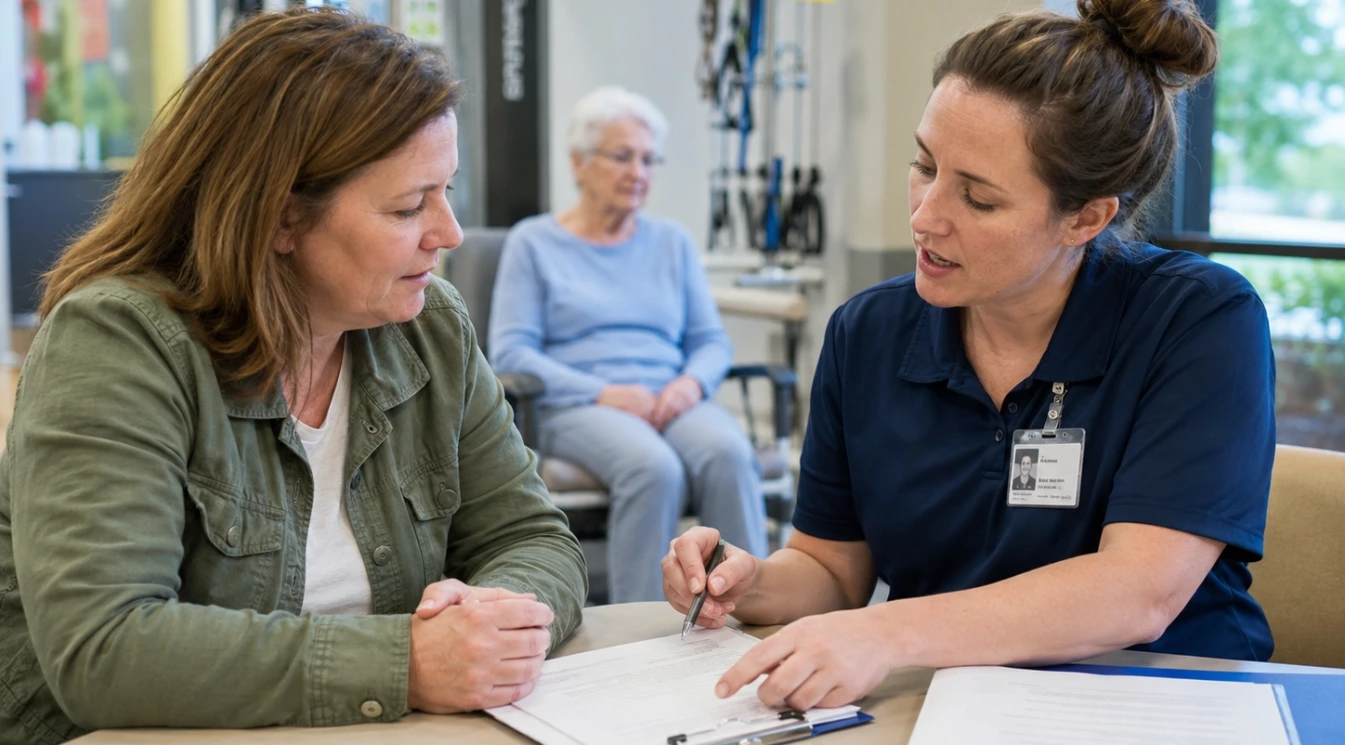
A facility may anticipate that a rehabilitation resident will return home, move to assisted living, or transition to another care setting. Federal rules require an effective discharge-planning process that identifies the resident’s needs, involves the resident and representative, considers the caregiver’s ability to provide required care, and updates the plan as circumstances change.
The discharge summary must address the resident’s stay and status, reconcile pre-discharge and post-discharge medications, and include a post-discharge plan describing follow-up care and services. Families should question a proposed discharge when the resident cannot transfer safely, required equipment has not arrived, medications are unclear, home caregivers have not been trained, or follow-up services have not been arranged.
The end of Medicare coverage is a payment determination; it does not by itself establish that the resident is medically ready to leave or authorize an immediate involuntary discharge. Transfer and discharge rules must still be followed. Our article about wrongful discharge from a care facility explains those protections in greater detail.
Records That May Explain What Happened
A review of short-term rehabilitation neglect may involve:
- Hospital discharge instructions and transfer records
- Admission assessments and care plans
- Physical, occupational, and speech-therapy evaluations and notes
- Physician orders and progress notes
- Medication and treatment administration records
- Fall-risk, transfer, skin, wound, nutrition, and pain assessments
- Nursing and certified nursing assistant documentation
- Staff schedules and assignment records
- Hospital readmission and emergency records
- Discharge planning, caregiver training, equipment, and referral records
Families should preserve their own notes, photographs, messages, and observations. A difference between therapy documentation and what the resident could actually do may deserve investigation, but records should be considered as a whole rather than judged from one isolated entry.
When Short-Term Rehabilitation Neglect May Support a Claim
Not every missed session, delayed medication, fall, or hospital readmission supports a legal claim. An attorney generally considers what care was required, what the facility knew, whether the care plan and professional standards were followed, and whether a failure caused or worsened an injury.
Newman Law Group represents residents and families in matters involving nursing home abuse, rehabilitation neglect, unsafe transfers, falls, medication problems, pressure injuries, delayed treatment, and unsafe discharge planning. The firm can review the hospital and facility records, identify inconsistencies, and explain the legal options that may be available under the circumstances.
Contact Newman Law Group to discuss a serious injury or decline during short-term rehabilitation, or call 9169320397.
This article provides general legal and medical information and is not advice for a particular situation. Urgent medical concerns should be evaluated by qualified health professionals, and an attorney can provide legal advice after reviewing the specific facts.